Introduction: The Cut That Commands Attention
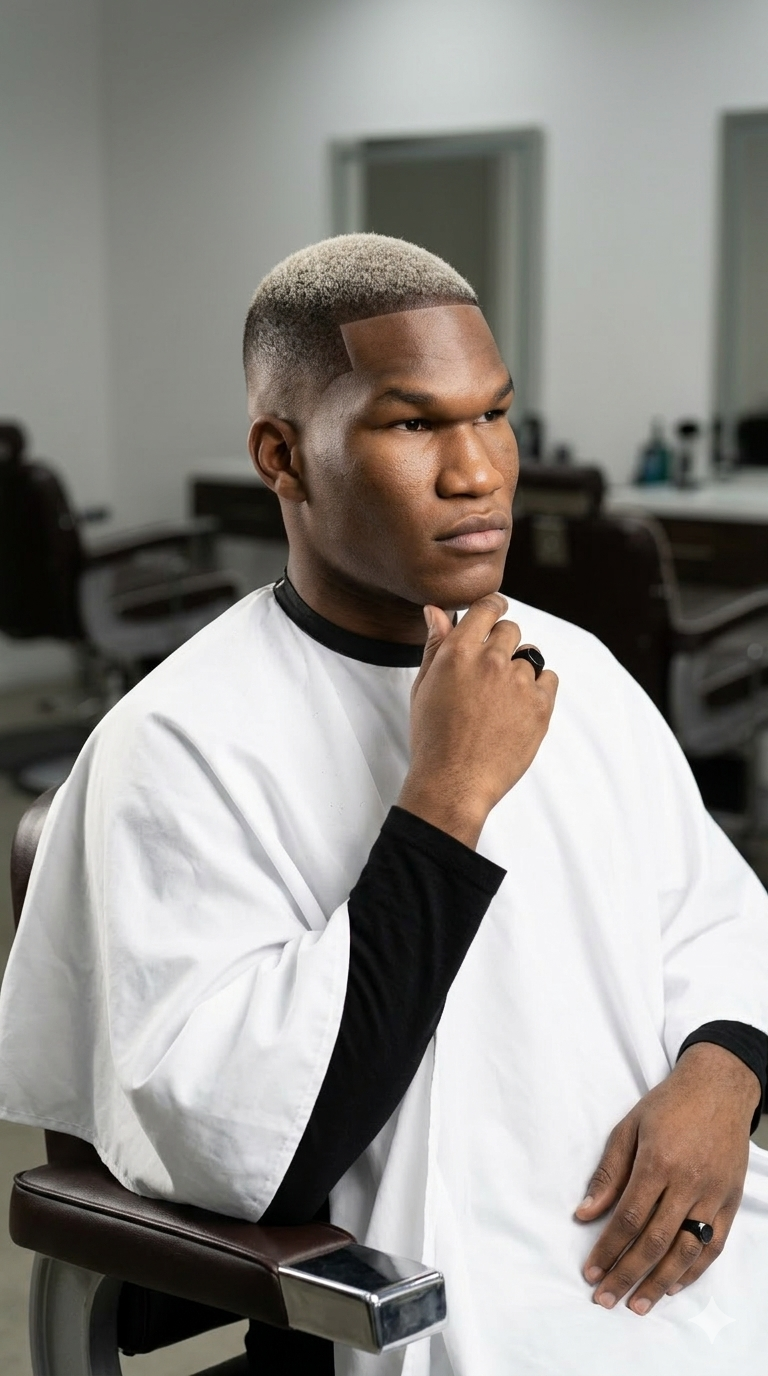
There is a reason the tape up haircut has become one of the most requested looks at barbershops around the world. Clean, confident, and endlessly versatile, the tape up is more than a haircut — it is an architectural statement. It is the difference between a good look and a great one, between a face that blends into the crowd and one that commands the room.
At its core, the tape up is defined by its sharp, razor-edged hairline — a precise outline at the forehead, temples, and sides that frames the face with graphic clarity. But beyond that signature detail, the tape up opens into an entire universe of style possibilities. Pair it with a high fade, a low fade, a flat top, a textured afro, cornrows, twists, or a full fringe — the tape up is the foundation upon which countless iconic looks are built.
What makes the tape up enduringly relevant is its adaptability. It works on every hair texture — coily, wavy, straight, or fine. It flatters every face shape when the right variation is chosen. And it holds the same power whether you wear it to a board meeting, a music festival, or a first date.
In this guide, we bring you 11 of the sharpest, most inspiring tape up haircut ideas — each one distinct in its personality, each one immaculately executed. Find your cut. Book the appointment. And walk out of that barbershop knowing exactly who you are.
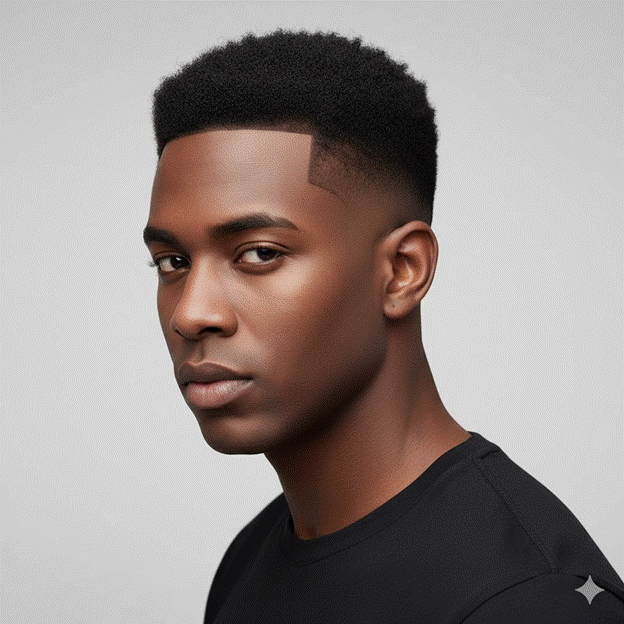
1. The Classic Tape Up with High Fade
The classic tape up with high fade is the blueprint — the original combination that defined the modern barbershop aesthetic. The crisp tape up outline at the hairline meets a high skin fade that rises dramatically from the temples upward, creating one of the sharpest, most architecturally satisfying silhouettes in men’s grooming.
This look delivers maximum contrast: the bold, defined line of the tape up against the seamless gradient of the fade creates a dynamic that is simultaneously bold and clean. It works particularly well on oval, diamond, and square face shapes, where the high fade elongates the visual proportions of the face beautifully.
Styling Tip:
The freshness window on a classic high fade tape up is narrow — which is what makes it look so exceptional. Book your barber appointment every two weeks without exception and ask for a shape-up refresh between fade appointments if the hairline begins to soften. The crispness of the tape line is the entire personality of this look.

2. Tape Up with Low Fade and Natural Top
For those who prefer their fade more understated, the tape up with low fade is the refined, versatile alternative. The fade starts lower — just above the ear — creating a subtle gradient that transitions more gradually into the natural hair at the top. The tape up line remains sharp at the forehead and temples, providing the definition the look needs without the dramatic severity of a high fade.
This variation is particularly well-suited to professional environments where a more conservative grooming aesthetic is expected. The low fade tape up reads as polished and put-together without being overtly fashion-forward — it is the work-to-weekend haircut that genuinely does both.
Styling Tip:
With a low fade tape up, the natural hair on top becomes the primary styling canvas. Apply a light-hold styling cream or pomade while the hair is slightly damp to define texture and control frizz. A matte finish product keeps the look natural and contemporary; a glossy finish reads as more classic and formal. Both are entirely appropriate — the choice is yours.
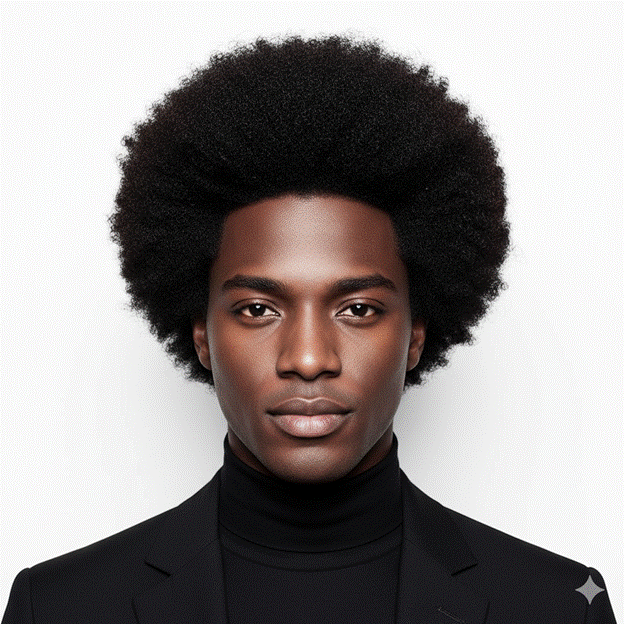
3. Tape Up with Textured Afro
The tape up with textured afro is one of the most striking and culturally resonant haircuts in contemporary men’s fashion. The precision of the tape up line at the base provides a sharp, architectural frame that makes the full, rounded volume of the natural afro above it all the more magnificent by contrast.
This is a look that celebrates the beauty and natural identity of Afro-textured hair while pairing it with the crisp barbershop craft of the tape up. The result is a silhouette that is simultaneously natural and refined — a look that feels genuine and groomed in equal measure.
Styling Tip:
To maintain the circular, lifted shape of the afro above the tape up, use a wide-tooth comb or afro pick to lift the roots daily and distribute a light moisturizing foam or curl cream through the hair while damp. A round or cloud-shaped afro sits most beautifully above the geometry of the tape up line — investing in a silk bonnet or durag overnight preserves the shape and moisture from session to session.
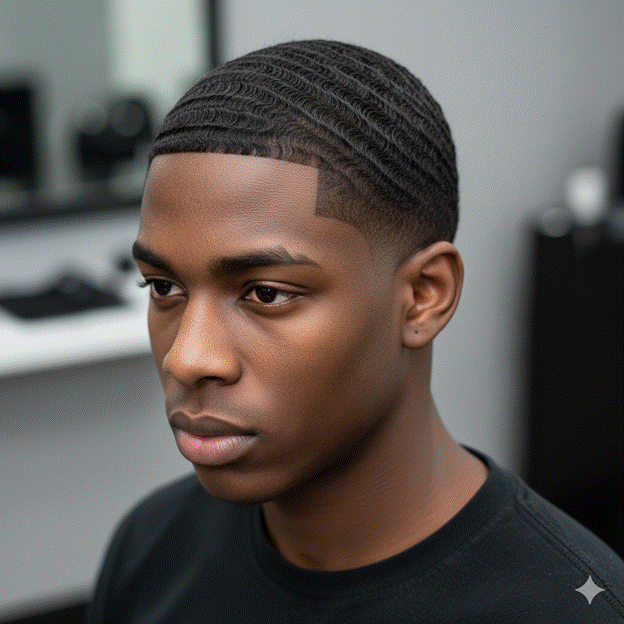
4. Tape Up with Waves
The tape up with 360 waves is one of the most revered looks in Black men’s grooming culture — a combination that requires patience, dedication, and consistent technique, but delivers results that are genuinely unmatched in their visual impact. The precise tape up edge frames the waves like a gallery frame around a masterwork.
The geometric precision of the hairline — the symmetry of the tape up at the forehead and the clean arc around the temples — creates a visual boundary that makes the swirling pattern of the 360 waves appear even more intentional and controlled. It is a look that communicates a deep level of care and discipline in grooming.
Styling Tip:
Waves are built through consistent brushing with a wave brush — hard bristles for coarser hair, medium bristles for finer textures — applied in a circular direction from the crown outward. Brush for five to ten minutes daily, apply a light wave pomade, and wear a durag or wave cap for at least thirty minutes after each brushing session to train the pattern. The tape up should be freshened every one to two weeks to keep the frame as sharp as the waves within it.
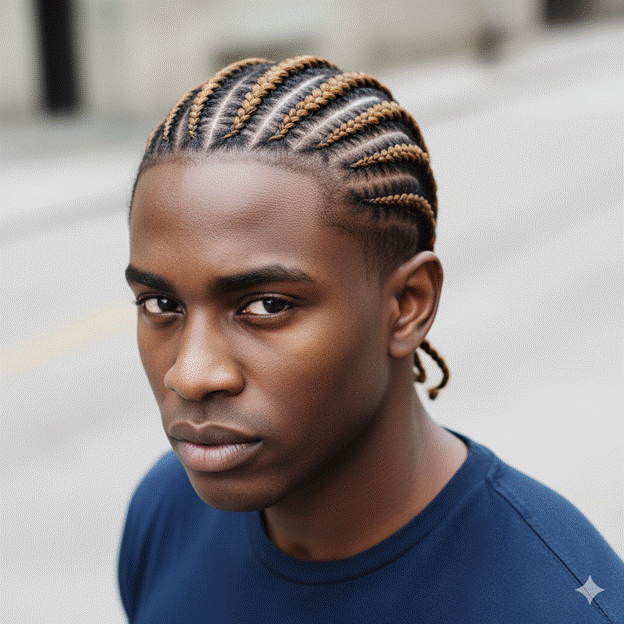
5. Tape Up with Cornrows
Tape up with cornrows is a combination of barbershop precision and cultural artistry that has been a cornerstone of Black men’s style for generations. The straight-back cornrows — or geometric-patterned braids for a more intricate design — are elevated exponentially by the crisp tape up outline that defines their boundaries with razor clarity.
The tape up along the forehead and around the ears creates a clean, finished perimeter that makes the entire braided design look intentional and complete. Without the tape up, cornrows can appear to begin and end ambiguously; with it, the hairline becomes part of the design itself, as precise and deliberate as the braiding within.
Styling Tip:
The scalp health beneath cornrows is critical to the long-term health of the hair. Use a lightweight scalp oil or serum — jojoba or tea tree-based formulas work beautifully — applied directly to the scalp along each parting every two to three days. Never leave cornrows installed longer than six to eight weeks, and allow the hair at least one to two weeks of rest between sessions. The tape up line should be freshened every week or two regardless of the braiding appointment schedule.

6. Tape Up with Twists
Two-strand twists paired with a tape up offer a beautifully balanced combination of structured grooming and natural texture expression. The coiling, spring-like quality of well-defined twists against the sharp geometric tape up line creates a look that feels both artistic and meticulously groomed.
Whether the twists are worn short and close to the scalp, mid-length and free-hanging, or longer and swept to one side, the tape up provides a clean baseline that anchors the entire look. This combination works particularly well as a transitional style — maintaining the polished quality of a fresh cut while growing toward a longer natural style.
Styling Tip:
Freshly twisted hair looks most beautiful when the twists are uniform in size and tension throughout. Use a small amount of twisting butter or gel on each section before twisting to define the coil pattern and add shine. Once twists are set, resist the urge to separate or fluff them prematurely — allow them to fully dry or set overnight before styling to prevent frizz and maintain definition.
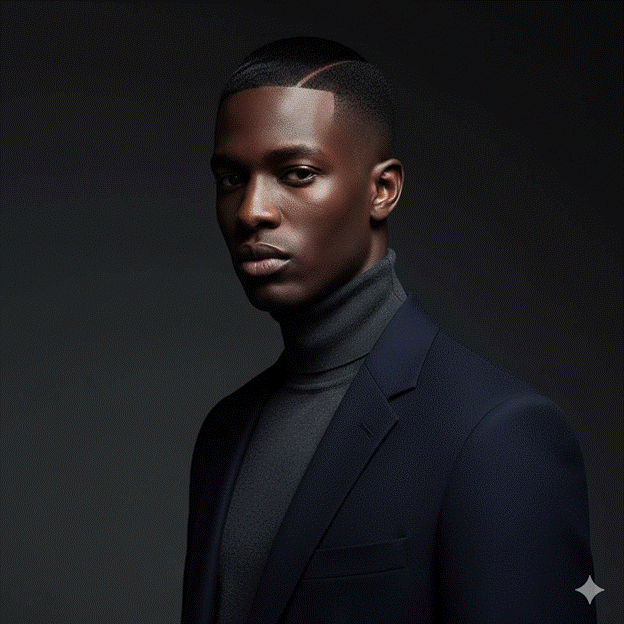
7. Tape Up with Side Part
The tape up with a shaved or hard-lined side part is an exercise in geometric precision — two sharp lines working in concert to create a composition that is clean, sophisticated, and visually arresting. The razor-cut side part functions as a design element in its own right, dividing the hair into two distinctly styled sections with architectural clarity.
The tape up line at the forehead and the hard side part together create a graphic framework that can elevate even the simplest hair texture or style on top. This look bridges the barbershop tradition of the tape up with the classical elegance of a formal side part — it is equally at home in a penthouse boardroom or a high-end social setting.
Styling Tip:
Ask your barber to create the hard part using a straight razor or T-liner for maximum sharpness. The width of the part — narrow for a subtle geometric accent, wider for a more dramatic statement — should be calibrated to your face shape and personal preference. Apply a firm-hold pomade or hair wax to the top sections to keep the sides of the part clearly separated and the overall shape defined throughout the day.

8. Tape Up with Curly Top
The tape up with a curly, defined top is a celebration of natural texture in its most energetic form. The defined curl pattern on top — whether tight 3C ringlets or loose 4A coils — creates a beautiful textural contrast with the precision of the shaved tape up line below. This combination has become one of the most popular tape up variations among men with naturally wavy or curly hair textures.
The curly top adds personality, movement, and a sense of effortless vitality to the structured geometry of the tape up. It is a look that feels simultaneously groomed and free — the discipline of the hairline balanced by the organic energy of the natural curl.
Styling Tip:
The secret to a curly top that looks defined and intentional rather than shapeless is moisture and technique. Apply a curl-defining cream or gel to freshly washed, soaking-wet hair and scrunch upward from the ends toward the roots to encourage curl formation. Diffuse on a low heat setting or air dry naturally. Do not touch the hair while it is drying — disturbing the curl as it sets is the single most common cause of frizz.
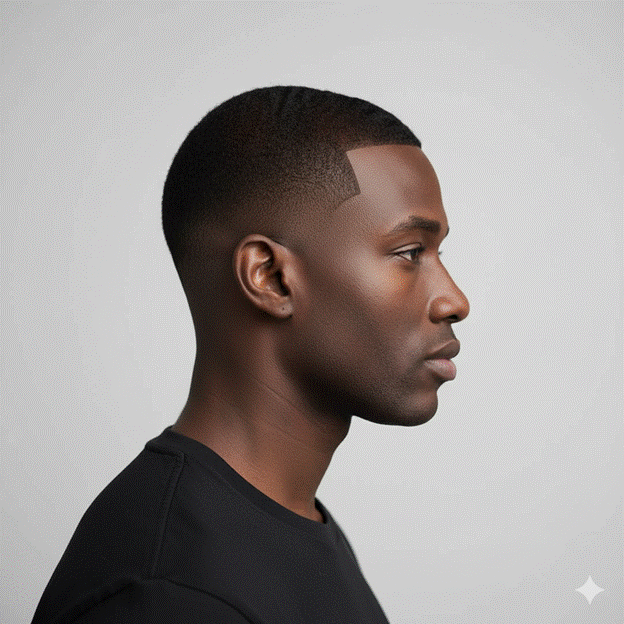
9. Tape Up with Fringe or Drop Fade
The drop fade tape up introduces a curve — a deliberate arc in the fade line that drops behind the ear before rising again at the nape, following the natural contour of the head rather than maintaining the straight horizontal line of a standard fade. When paired with a tape up, the drop fade creates a look that is softer in profile yet equally sharp at the front.
This variation is particularly flattering on rounder face shapes because the curved drop of the fade introduces diagonal visual movement that subtly elongates the face. The tape up line at the forehead remains razor-sharp, while the graduated arc of the drop fade adds an element of refinement and craft to the overall cut.
Styling Tip:
The drop fade requires a barber with a precise understanding of head shape and fade architecture — not every barbershop offers the same level of skill with this technique. Look for a barber whose portfolio includes demonstrably clean drop fades before committing. When you find the right craftsperson, the result is a haircut that looks genuinely custom-fitted to your specific head shape.
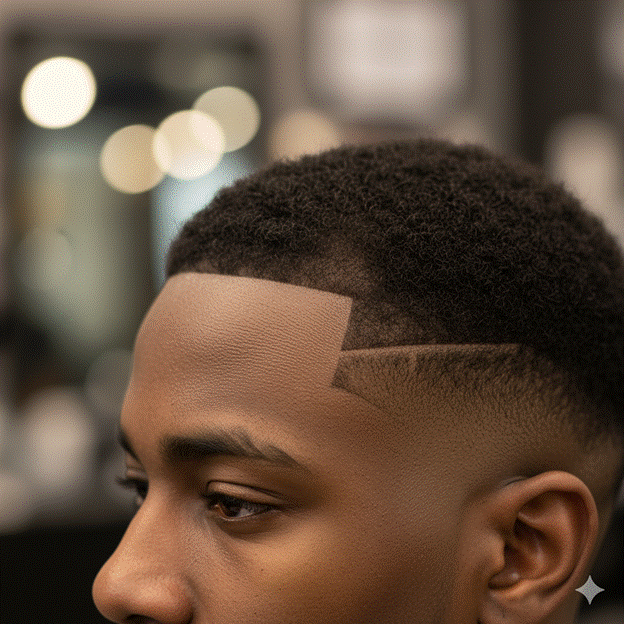
10. Tape Up with Short Natural Hair and Line Design
Line art and geometric designs carved into the fade alongside a tape up transform a haircut into a genuine work of barbershop artistry. Subtle lines — a single razor-cut line above the tape up, a geometric pattern at the temple, a lightning bolt or chevron within the fade — add a layer of individuality and visual complexity that makes the look unmistakably personal.
This approach is the meeting point of precision grooming and personal expression. The tape up provides the clean foundation; the line design is the signature. Together, they create a haircut that is both technically impeccable and aesthetically unique — a look that can only belong to the person wearing it.
Styling Tip:
Line art designs are highly dependent on the skill of the barber creating them — this is not the time to choose a new or unfamiliar barber based on price. Bring reference images of the specific design you want and discuss placement, thickness, and proportion before the barber begins. Simple, bold designs typically hold up better over time and remain recognizable as the hair grows; intricate fine-line designs are most impactful in the first few days immediately after the cut.
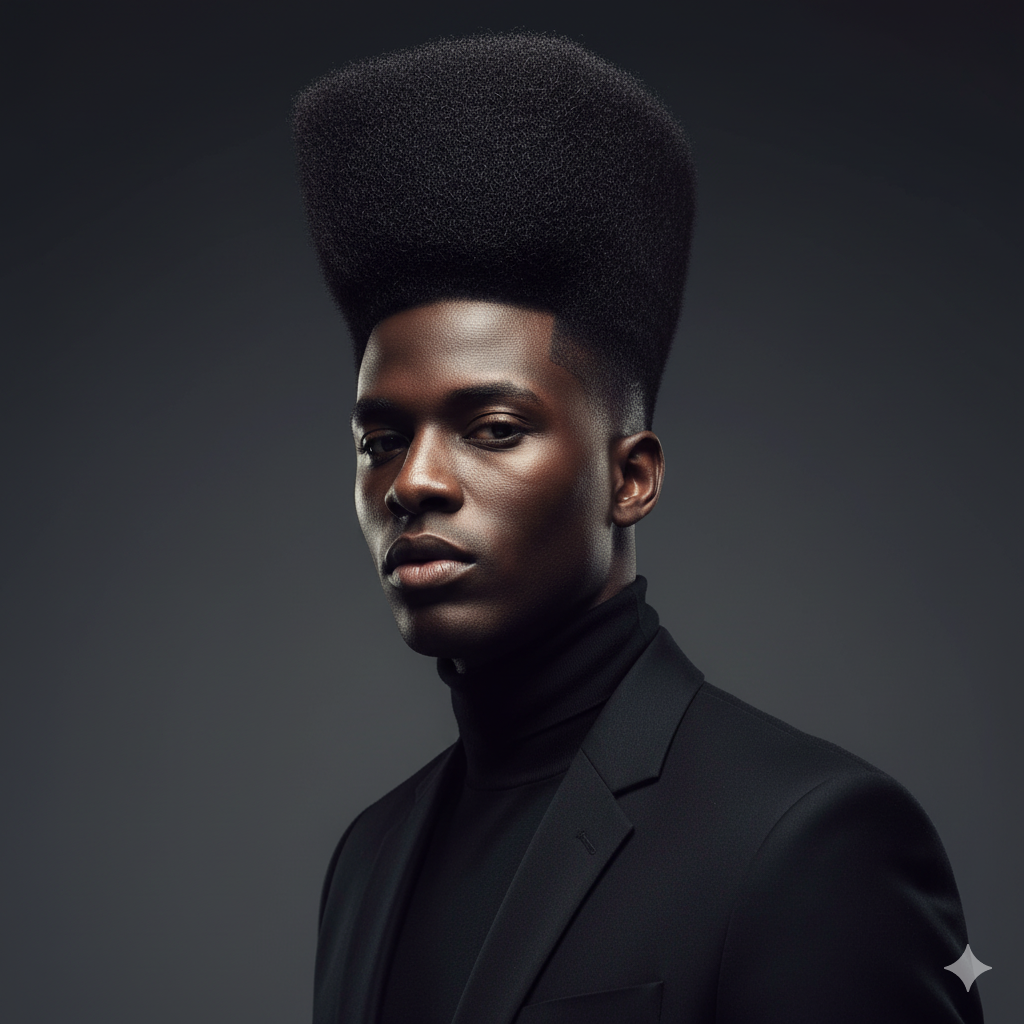
11. Tape Up with Blowout or High Top Fade
The tape up with a blowout or high top fade is the boldest, most statement-making variation in this guide — a look with deep roots in Black American style history and an unmistakable contemporary energy. The hair at the crown is blown out or shaped into a dramatic vertical height, creating a striking silhouette that is impossible to ignore.
The tape up line at the base provides the architectural anchor that makes the height of the blowout or high top look intentional rather than incidental. Without the precise framing of the tape up, a high top can look unfinished; with it, the look is complete, confident, and genuinely iconic.
Styling Tip:
A blowout is achieved by using a blow dryer with a comb attachment to lift and stretch the natural hair texture upward while applying heat. Use a heat protectant spray before any blow drying and keep the dryer on a medium heat setting to prevent damage. A small amount of edge control or light-hold mousse applied before blowing out helps the hair hold its lifted shape throughout the day. A high top requires regular barbershop maintenance to keep the flat top surface precisely shaped — schedule appointments every two to three weeks to preserve the architectural integrity of the cut.
Conclusion: Your Tape Up, Your Identity
The tape up haircut is, at its most essential, a statement of self-respect. It is the choice to present yourself with intention — to frame your face with precision, to invest in the detail that separates a good appearance from an exceptional one. In a world where first impressions are made in seconds, the tape up communicates volumes before you have said a single word.
The eleven looks in this guide span the full spectrum of what the tape up can be: from the understated elegance of the low fade tape up to the cultural power of the cornrow tape up, from the natural expressiveness of the afro tape up to the artistic statement of the line design variation. Each one is a distinct visual identity — and each one is waiting to be claimed.
Find your barber, bring your reference, and be specific about what you want. The best tape up of your life is one well-communicated appointment away.
Frequently Asked Questions
Q1: What is a tape up haircut?
A tape up haircut is defined by its razor-sharp, geometrically precise hairline — a clean outline at the forehead, temples, and sides that frames the face with clear definition. The term refers to the straight-edged, taped appearance of the hairline created by a barber using a T-liner or straight razor. It is typically paired with a fade, though it can be worn with any hair style on top.
Q2: How often should I get a tape up?
For maximum sharpness and visual impact, most barbers recommend refreshing a tape up every one to two weeks. The hairline grows quickly and even a few millimetres of new growth can soften the precision of the tape line. Many clients get full haircuts every two to three weeks and visit for a shape-up or line refresh between full appointments to maintain the look at its sharpest.
Q3: Does a tape up work on all hair types?
Yes — the tape up is one of the most universally applicable haircuts because the defining element is the outline of the hairline rather than the specific texture or style of the hair above it. It works on coily, wavy, straight, and fine hair textures alike. The style on top — afro, waves, twists, curls, or straight — can be adapted to any hair type while the tape up line provides the defining frame.
Q4: What is the difference between a tape up and a line up?
A tape up and a line up are very similar and the terms are often used interchangeably in barbershop culture. Technically, a line up refers specifically to the shaping of the hairline into straight, clean lines at the forehead and temples. A tape up encompasses the full perimeter outline — forehead, temples, and around the ears — and is often used in conjunction with a fade. In most contemporary barbershop contexts, both terms describe the same precision hairline technique.
Q5: Can I do a tape up at home?
While it is technically possible to maintain the hairline between barbershop appointments using a T-liner or detailing trimmer at home, the precision required for a genuinely clean tape up is difficult to achieve without professional training. The slightest asymmetry in the forehead line or temple curve is immediately visible and difficult to correct. For the best results, trust a skilled barber for the initial cut and full shape-ups, and use home tools only for minor maintenance between scheduled appointments.