
Few grooming problems are more frustrating than razor burn.
That red, itchy, stinging irritation can turn a clean shave into days of discomfort. The good news? Razor burn is completely preventable with the right technique and preparation.
In this guide, you’ll discover 10 practical, proven ways to prevent razor burn — whether you shave your face, neck, chest, or body.

1. Prep Your Skin Properly
Shaving dry or poorly prepped skin is the fastest way to cause irritation.
Why It Matters:
Softened hair cuts more easily and reduces friction.
Practical Tips:
- Wash your face with warm water first
- Shave after a shower when hair is softer
- Use a gentle cleanser to remove oil buildup

2. Always Use a Sharp Razor
A dull blade pulls hair instead of cutting it cleanly.
Why It Matters:
Dragging increases friction and inflammation.
Practical Tips:
- Replace blades every 5–7 shaves
- Avoid rust or worn strips
- Store razor in a dry place
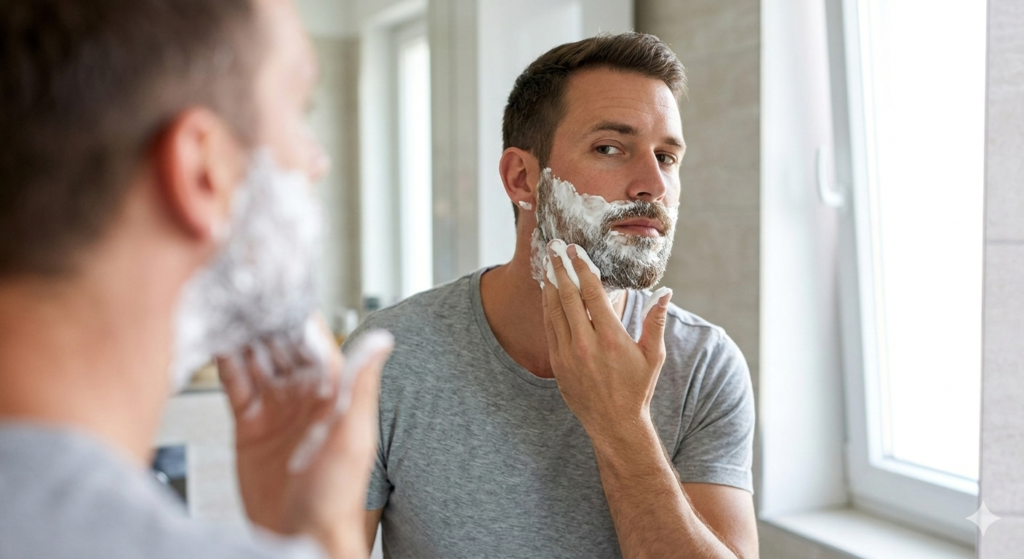
3. Use a Quality Shaving Cream or Gel
Never dry shave.
Why It Matters:
Shaving cream creates a protective barrier between blade and skin.
Practical Tips:
- Choose products for sensitive skin
- Let cream sit for 1–2 minutes before shaving
- Avoid alcohol-heavy formulas
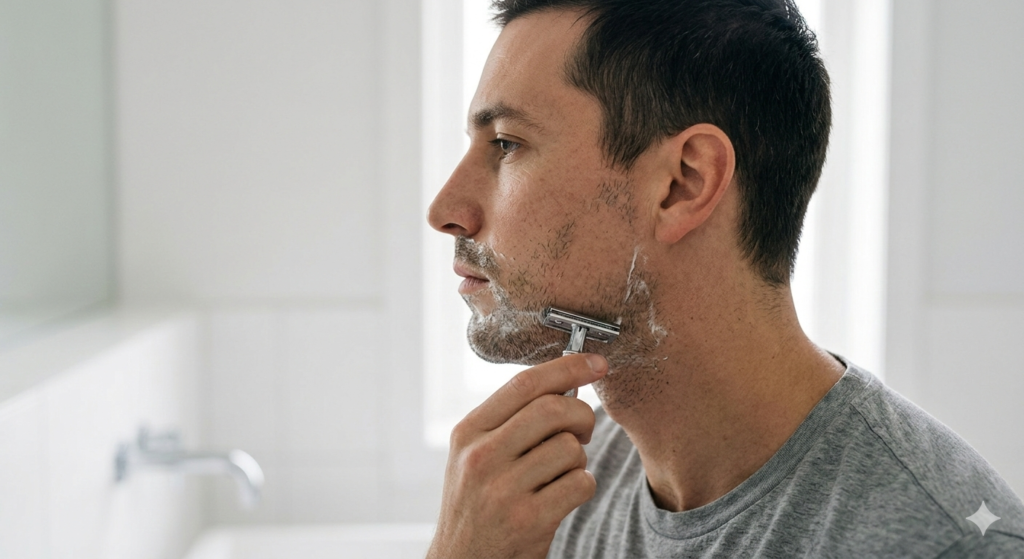
4. Shave With the Grain
Shaving against the grain increases risk of razor bumps and burn.
Why It Matters:
It reduces resistance and irritation.
Practical Tips:
- Identify your hair growth direction
- Start by shaving in that direction
- Only go against the grain if necessary and carefully
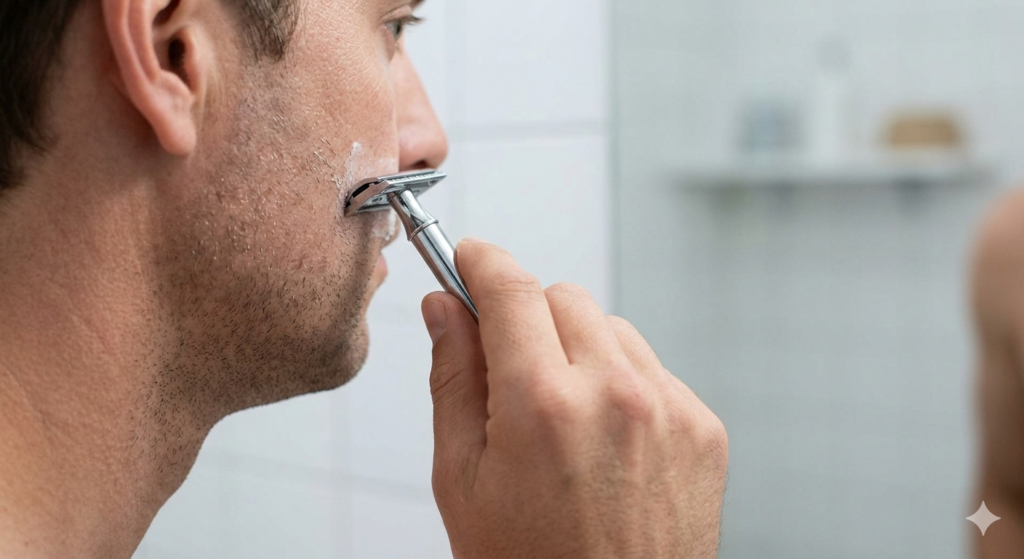
5. Avoid Applying Too Much Pressure
Let the razor do the work.
Why It Matters:
Pressing hard causes micro-cuts and inflammation.
Practical Tips:
- Use light, short strokes
- Rinse blade frequently
- Hold razor at proper angle

6. Don’t Over-Shave the Same Area
Repeated passes irritate the skin barrier.
Why It Matters:
Each pass removes a thin protective layer of skin.
Practical Tips:
- Limit strokes to 1–2 per section
- Reapply shaving cream if needed
- Stretch skin gently for smoother glide

7. Exfoliate Regularly
Dead skin cells can trap hairs.
Why It Matters:
Exfoliation reduces ingrown hairs and clogged follicles.
Practical Tips:
- Use gentle exfoliator 2–3 times weekly
- Avoid harsh scrubs on sensitive areas
- Consider chemical exfoliants (like salicylic acid)

8. Rinse With Cool Water After Shaving
Hot water keeps pores open and skin sensitive.
Why It Matters:
Cool water helps calm inflammation.
Practical Tips:
- Rinse thoroughly
- Pat dry — don’t rub
- Apply soothing aftershave balm

9. Use an Alcohol-Free Aftershave
Traditional aftershaves can worsen irritation.
Why It Matters:
Alcohol dries and stings freshly shaved skin.
Practical Tips:
- Choose soothing ingredients like aloe vera
- Look for labels marked “sensitive skin”
- Avoid heavy fragrance

10. Give Your Skin Time to Heal
Shaving too frequently increases irritation.
Why It Matters:
Skin needs time to recover between shaves.
Practical Tips:
- Avoid daily shaving if prone to razor burn
- Use electric trimmer occasionally
- Keep skin moisturized daily
Conclusion
Razor burn doesn’t have to be part of your grooming routine.
By prepping properly, using sharp blades, shaving with the grain, and applying soothing aftercare, you can dramatically reduce irritation and enjoy smoother results.
Consistency is key. Small adjustments in your shaving technique can make a big difference.
FAQs
1. What causes razor burn?
Razor burn is caused by friction, dull blades, shaving against the grain, and improper skin preparation.
2. How long does razor burn last?
Mild razor burn typically lasts 1–3 days, depending on skin sensitivity and care.
3. Is shaving against the grain bad?
It can increase irritation and ingrown hairs, especially for sensitive skin.
4. Can moisturizer prevent razor burn?
Yes. Keeping skin hydrated strengthens the skin barrier and reduces irritation.
5. Should I use an electric razor to avoid razor burn?
Electric razors can reduce irritation for some people, especially those with sensitive skin.