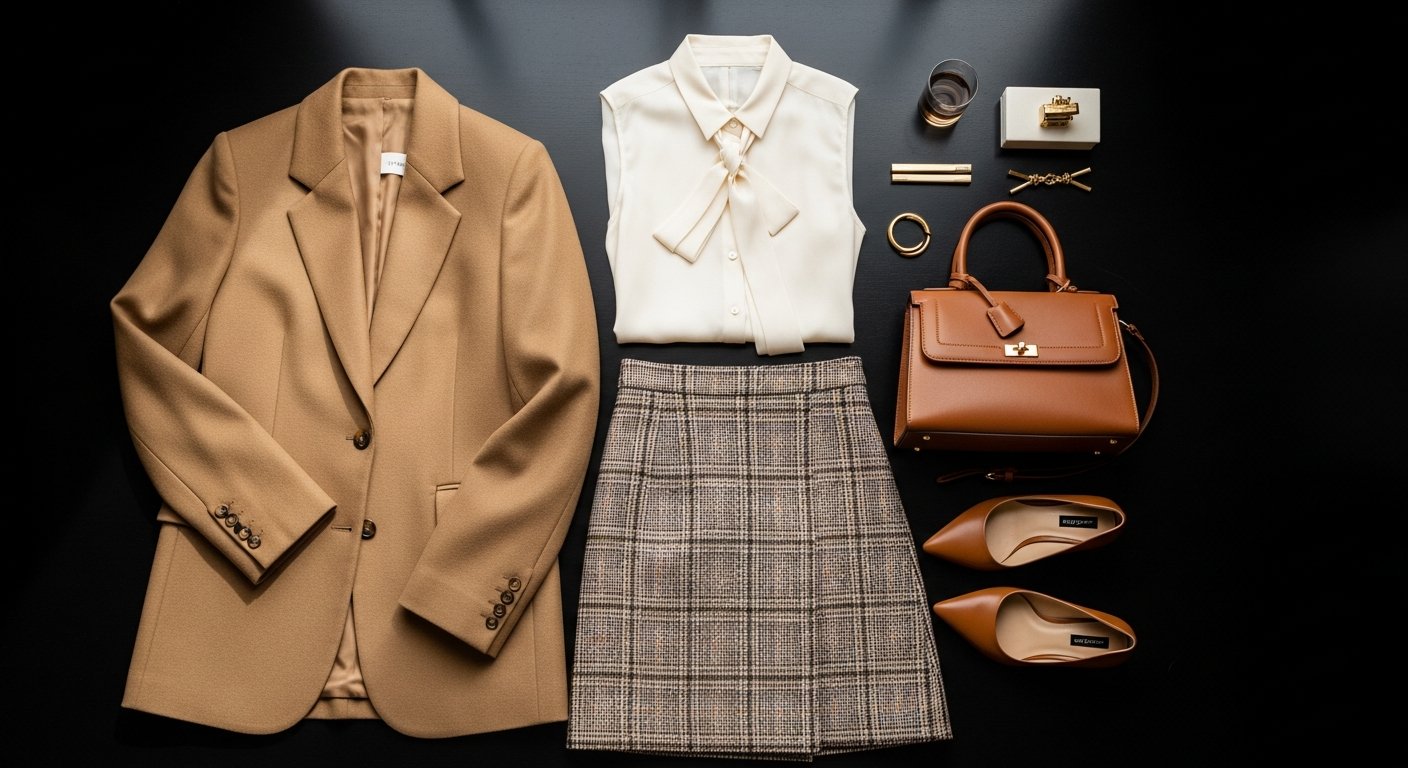

When people hear that Japanese tattoos can take 10 to 15 years to complete, the first reaction is disbelief.
How can a tattoo take that long?
The answer lies in tradition, craftsmanship, cultural depth, and patience. Traditional Japanese tattoos — known as Irezumi — are not quick, trendy pieces. They are lifelong commitments built slowly, deliberately, and artistically.
In this guide, we break down exactly why Japanese tattoos take 15 years, what makes them unique, and whether that timeline still applies today.
What Are Traditional Japanese Tattoos (Irezumi)?
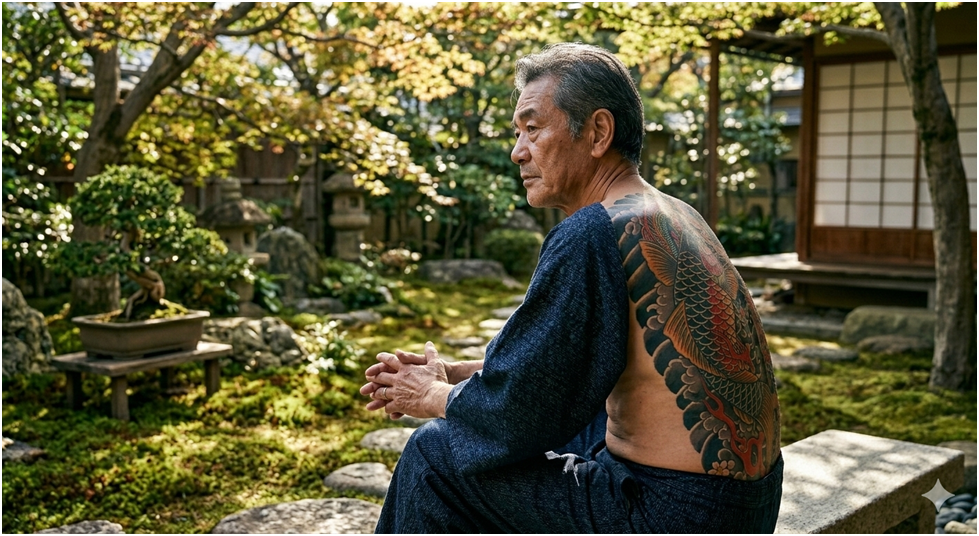
Japanese tattoos, often referred to as Irezumi, are large-scale body artworks deeply rooted in Japanese history.
They typically feature:
- Dragons
- Koi fish
- Tigers
- Samurai
- Mythological beings
- Floral elements like cherry blossoms and peonies
Unlike small modern tattoos, traditional Japanese tattoos are usually full body suits, covering the back, arms, chest, thighs, and sometimes the entire torso.
These are not single-session pieces — they are life projects.
1. Traditional Tebori Hand-Poking Is Extremely Slow
The biggest reason Japanese tattoos take 15 years is the technique.
What Is Tebori?
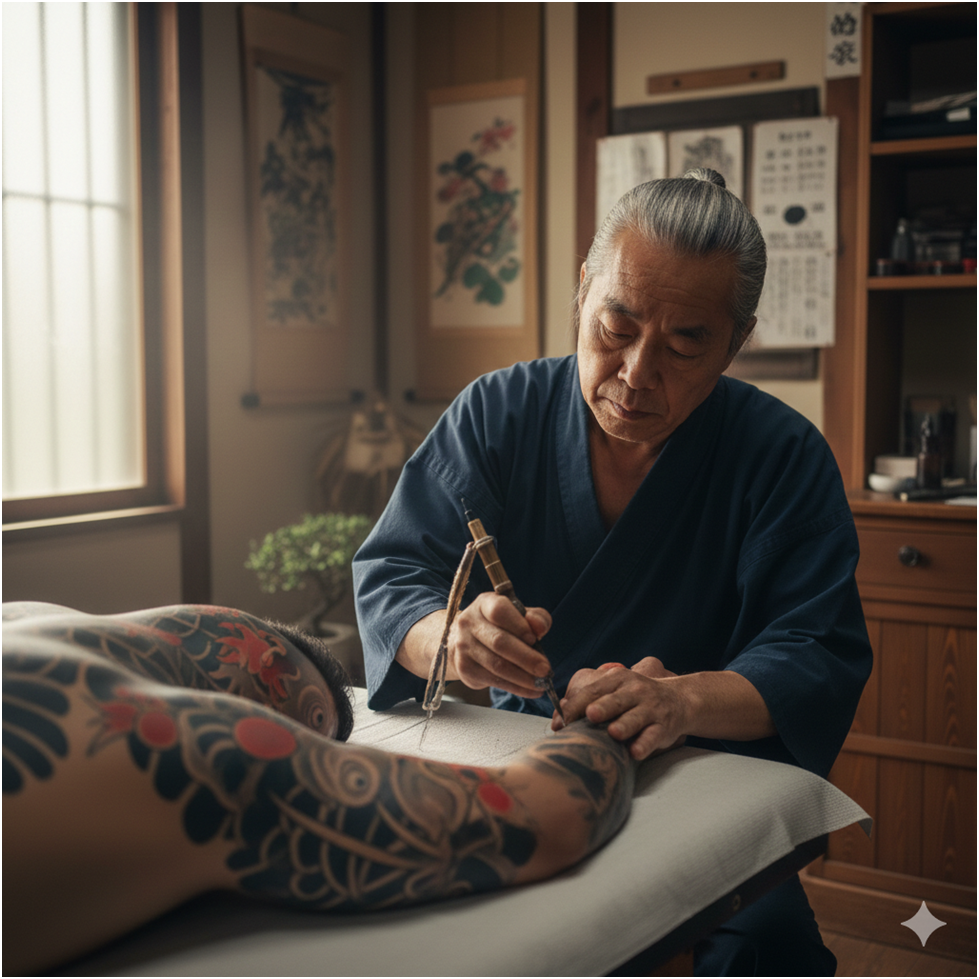
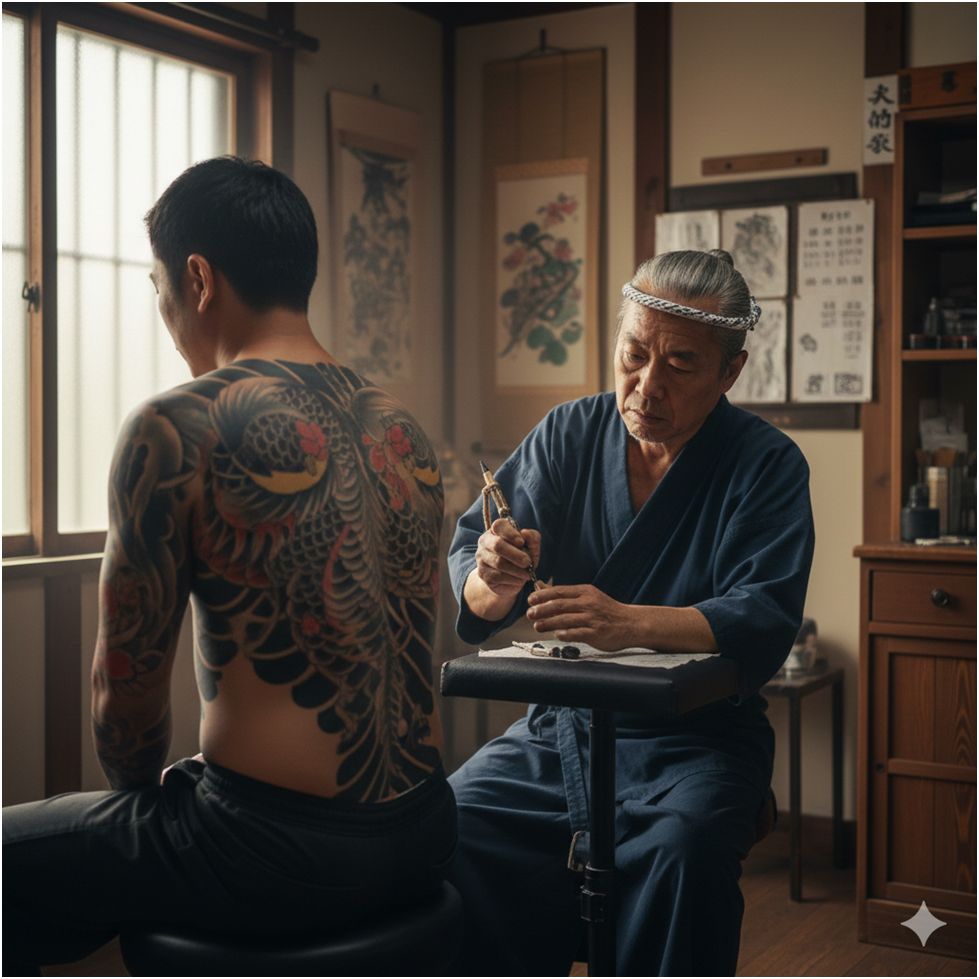
Tebori is the traditional hand-poked tattoo method. Instead of a modern electric tattoo machine, the artist uses a long rod with needles attached, inserting ink manually.
This process is slower, more deliberate, and incredibly precise.
Why It Extends the Timeline
- Ink is inserted rhythmically by hand
- Sessions are physically demanding
- Progress per session is limited
A full back piece done in Tebori can take hundreds of hours.
Practical Tip
If you’re considering traditional Irezumi, ask your artist whether they use full Tebori or a hybrid method (machine outline + Tebori shading).
2. Full-Body Suit Projects Are Massive
Japanese tattoos are rarely small.
A traditional body suit (Horimono) includes:
- Back panel
- Full sleeves
- Chest panels
- Rib panels
- Thighs
Completing a body suit can require 200–500+ hours of work.
Practical Tip
Understand that Japanese tattoo culture values large compositions. Starting small may limit design flow later.
3. Cultural Tradition Encourages Patience
Historically, Japanese tattoos were tied to:
- Craftsmanship
- Personal commitment
- Spiritual symbolism
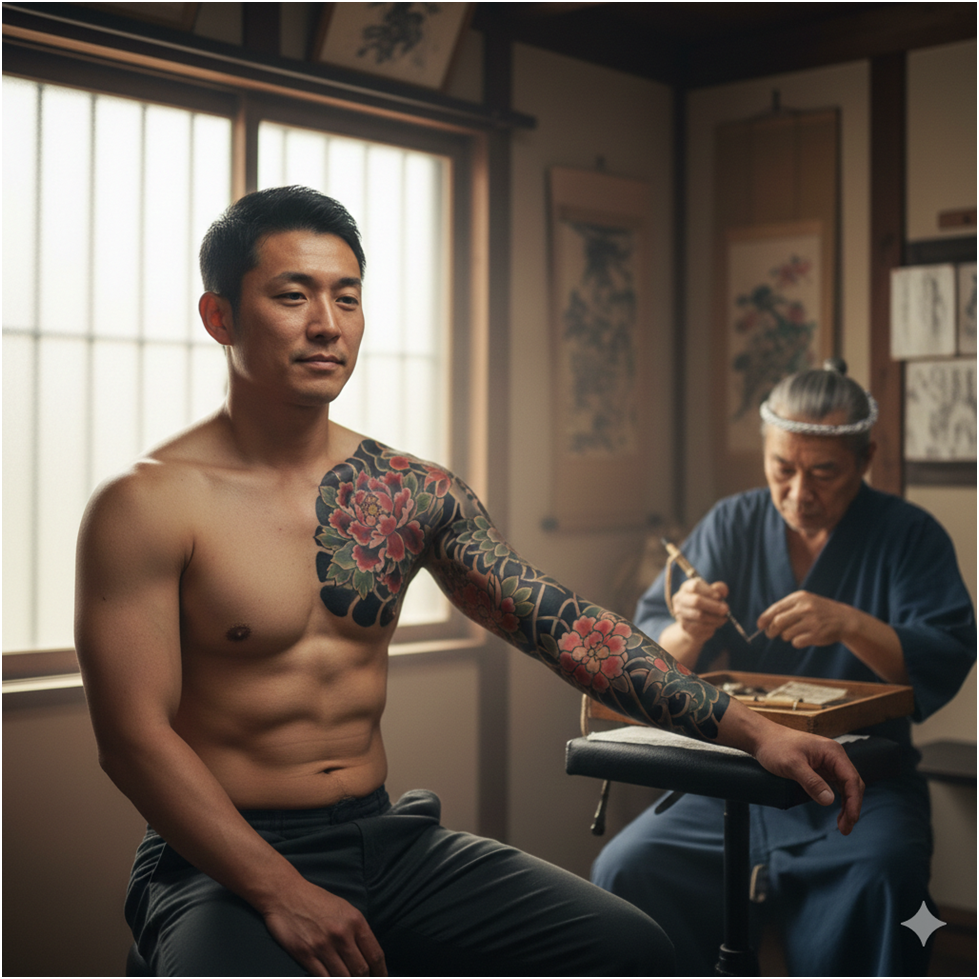
Clients didn’t rush the process. It was normal to get tattooed gradually over many years.
Some collectors visited their tattoo master only a few times per year — extending the total timeline dramatically.
Practical Tip
If you’re pursuing authenticity, embrace the slow journey instead of chasing fast results.

4. Pain Tolerance & Healing Time
Traditional Japanese tattoos require long sessions.
The ribcage, armpits, thighs, and spine are especially painful areas. Clients often space sessions weeks or months apart to:
- Heal properly
- Save money
- Mentally prepare
When you stretch sessions across years, 15 years becomes realistic.
Practical Tip
Follow strict aftercare. Proper healing prevents rework and delays.
5. Financial Commitment Over Time
Large-scale Japanese tattoos are expensive.
A full body suit can cost tens of thousands of dollars. Many collectors:
- Pay per session
- Budget over years
- Pause during financial changes
Spreading out sessions due to finances naturally extends the timeline.
Practical Tip
Ask your artist for long-term cost estimates before starting.
6. Design Complexity & Background Work
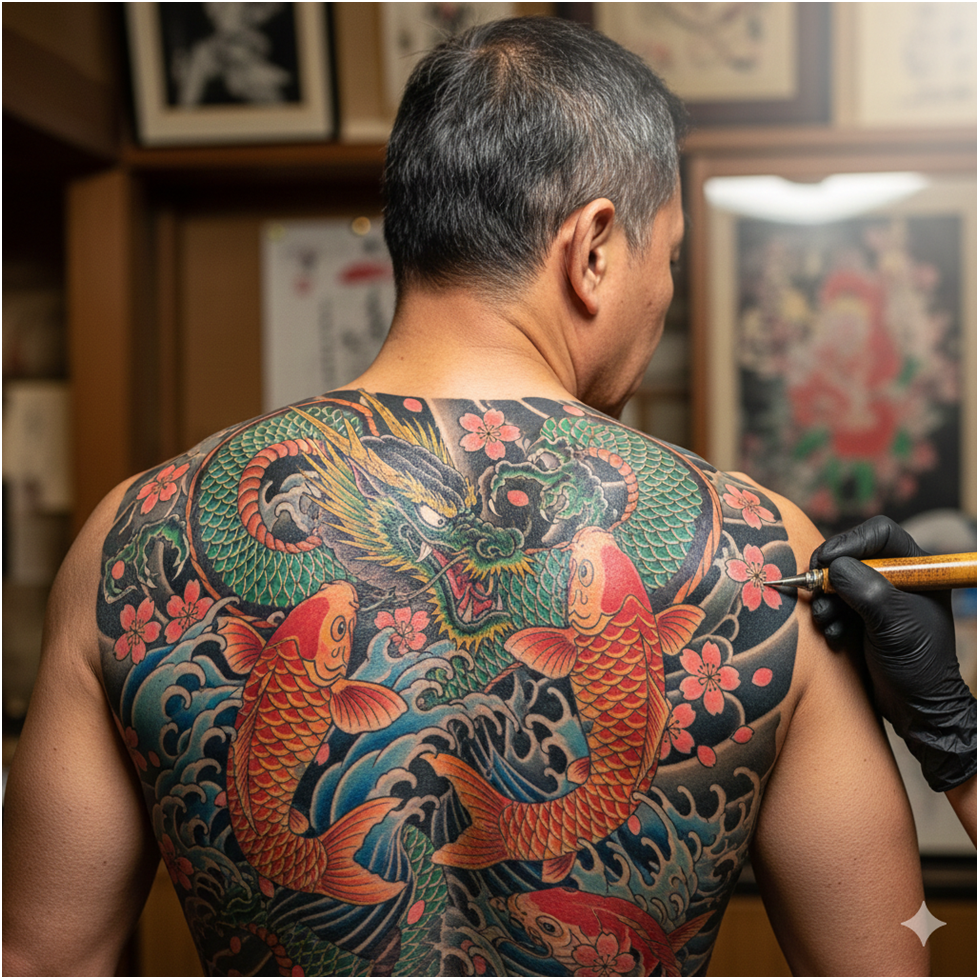
Japanese tattoos aren’t just main subjects.
The background (called “Gakou”) includes:
- Waves
- Wind bars
- Clouds
- Smoke patterns
These detailed backgrounds take enormous time to complete properly.
The layering, shading, and composition must flow naturally across the body.
Practical Tip
Choose an experienced Japanese tattoo artist who understands body flow and composition.
7. Traditional Master-Apprentice Scheduling
Many respected Japanese tattoo masters take limited clients.
Appointments may be:
- Once per month
- Every few months
- Booked years in advance
With infrequent sessions, completion naturally stretches across a decade or more.
Do Japanese Tattoos Still Take 15 Years Today?
Not always.
Modern tattoo machines can speed up the process significantly.
Today:
- A full back piece may take 1–2 years
- A full body suit may take 3–5 years
However, if you pursue full traditional Tebori and follow cultural pacing, it can still take 10–15 years.
The timeline depends on:
- Technique
- Budget
- Artist availability
- Personal commitment
Is It Worth the Wait?
For many collectors, absolutely.
Japanese tattoos are not trends. They are lifelong art pieces rooted in history and storytelling.
The slow process creates:
- Deeper meaning
- Stronger artist-client bond
- Greater appreciation for craftsmanship
Patience is part of the art.
Conclusion
So why do Japanese tattoos take 15 years?
Because they are:
- Handcrafted using traditional Tebori
- Large-scale body suit projects
- Deeply rooted in cultural tradition
- Financially and physically demanding
While modern methods can shorten the process, true traditional Irezumi remains a long-term commitment.
It’s not about speed.
It’s about mastery, respect, and legacy.
SEO FAQs
1. Why do Japanese tattoos take so long?
Traditional Tebori hand-poking, large body coverage, and cultural pacing extend the timeline significantly.
2. Does a Japanese body suit really take 15 years?
It can, especially when done traditionally and spaced over many years.
3. How long does a Japanese back piece take?
Typically 1–3 years depending on technique and session frequency.
4. Are Japanese tattoos more painful?
Tebori feels different from machine tattooing and can be more intense due to repetitive hand insertion.
5. Can you finish a Japanese tattoo faster?
Yes, modern machines and frequent sessions can reduce the timeline dramatically.