Introduction
A great suit doesn’t just make you look good — it makes you look powerful.
Whether you’re dressing for a wedding, job interview, or business meeting, understanding proper suit fit rules for men is the difference between looking average and looking exceptional.
The truth? Most men wear the wrong size.
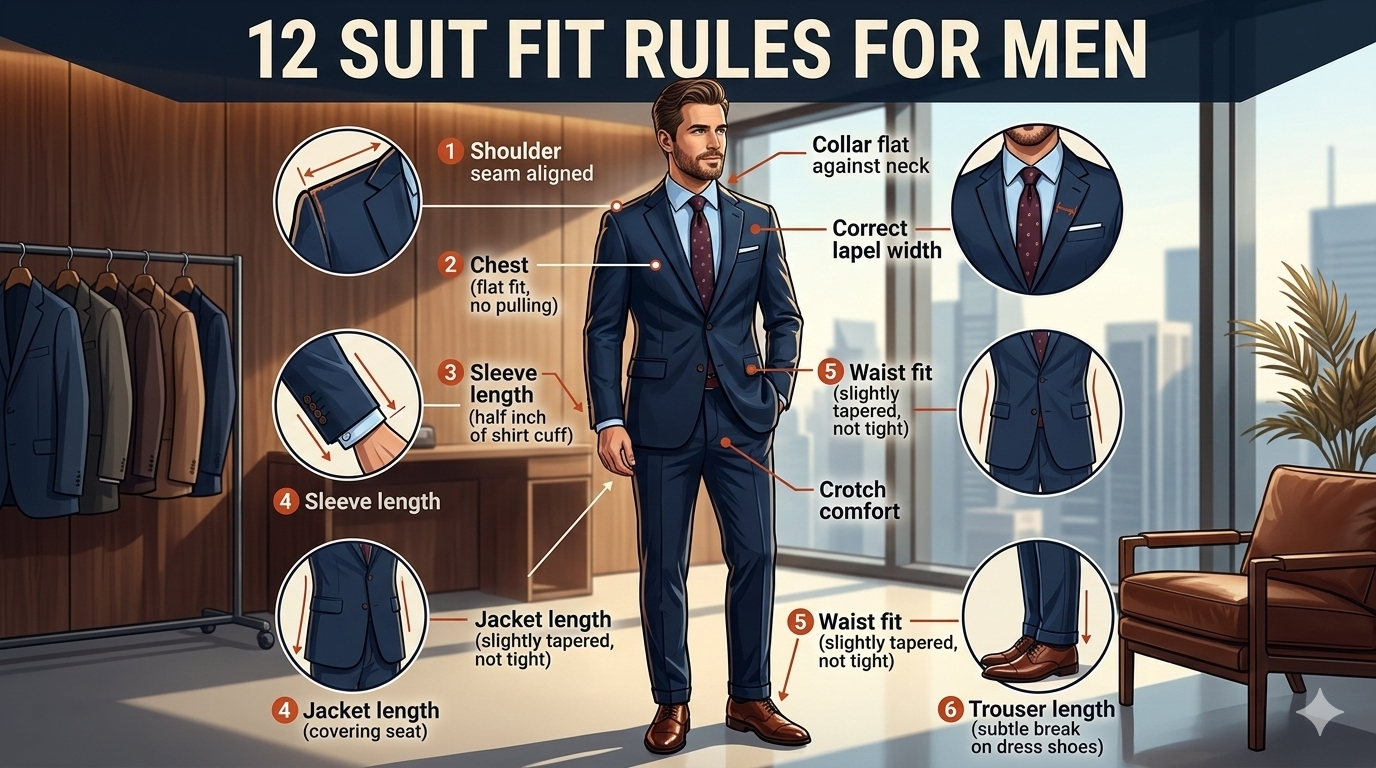
This guide breaks down the 12 essential suit fit rules every man should know — from shoulder alignment to trouser break — so you can achieve a clean, tailored, confident appearance every time.

1. The Shoulder Fit Is Everything
The shoulders are the foundation of a well-fitting suit.
How It Should Fit:
- The seam should sit exactly where your natural shoulder ends.
- No overhang.
- No pulling or divots.
Practical Tip:
If the shoulders don’t fit perfectly, don’t buy the suit. Shoulder alterations are expensive and rarely flawless.
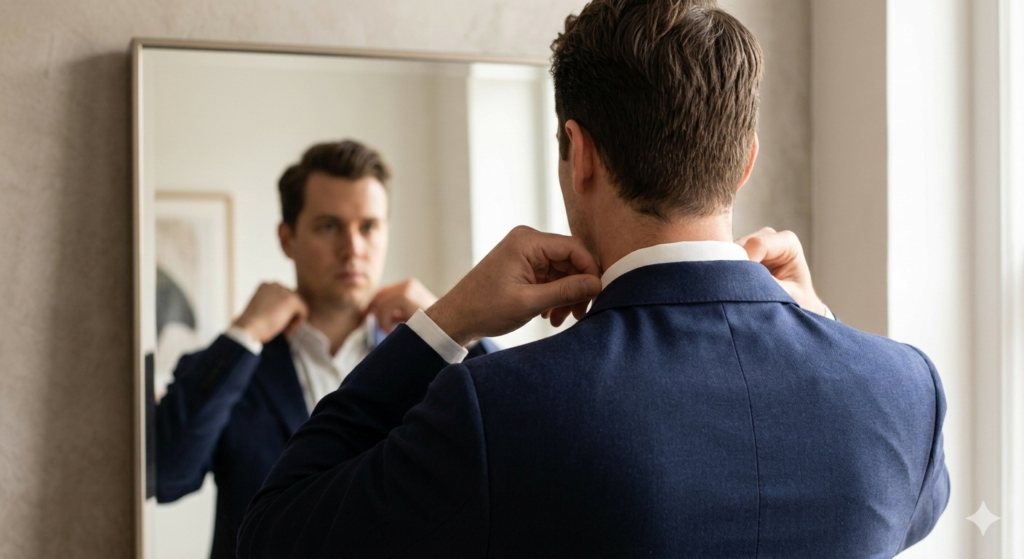
2. Jacket Collar Should Sit Flat
A proper suit jacket collar should hug your shirt collar cleanly.
What to Check:
- No gap between jacket and shirt.
- No bunching behind the neck.
Practical Tip:
Stand naturally and check from the side in a mirror. Gaps often appear when posture changes.
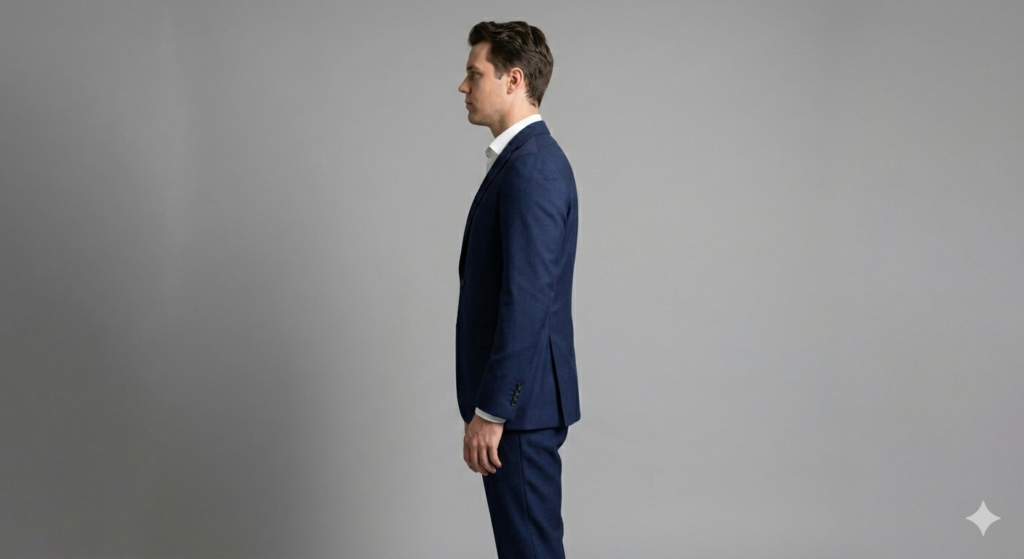
3. Jacket Length Must Cover Your Seat
This is one of the most overlooked suit fit rules for men.
Ideal Length:
- Jacket should fully cover your backside.
- It should roughly divide your body in half visually.
Practical Tip:
Shorter jackets may look trendy, but too short ruins proportions.
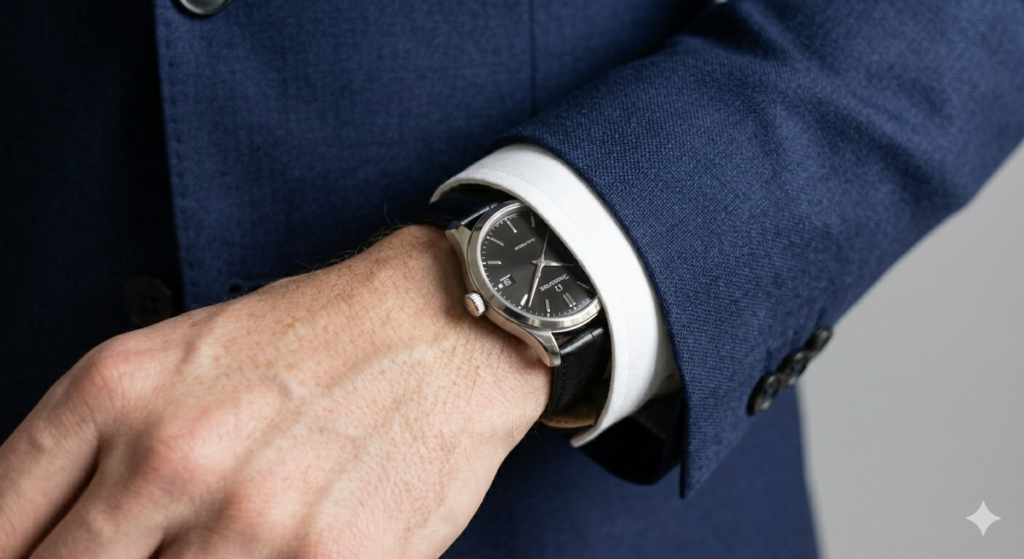
4. Sleeves Should Show Shirt Cuff
A sharp suit always reveals a bit of shirt cuff.
The Rule:
- Show ¼ to ½ inch of shirt cuff.
- Jacket sleeve should end at wrist bone.
Practical Tip:
Adjust sleeve length for both arms individually — many men have uneven arm lengths.

5. Jacket Should Button Comfortably
When buttoned, your suit should feel snug — not tight.
Look For:
- No “X” pulling at the button.
- Clean drape across chest.
- Ability to slide a hand inside comfortably.
Practical Tip:
If the jacket pulls, size up and tailor the waist instead.

6. Slim — Not Skin Tight
Modern tailoring favors a slimmer silhouette.
Proper Fit:
- Tapers at the waist.
- Follows body shape.
- No excess fabric at sides.
Practical Tip:
You should be able to sit and move comfortably. If movement feels restricted, it’s too tight.

7. Trousers Should Sit at Natural Waist
Suit trousers are designed to sit higher than jeans.
Ideal Placement:
- Around your natural waist.
- No sagging at hips.
Practical Tip:
If trousers slide down without a belt, they’re too big.
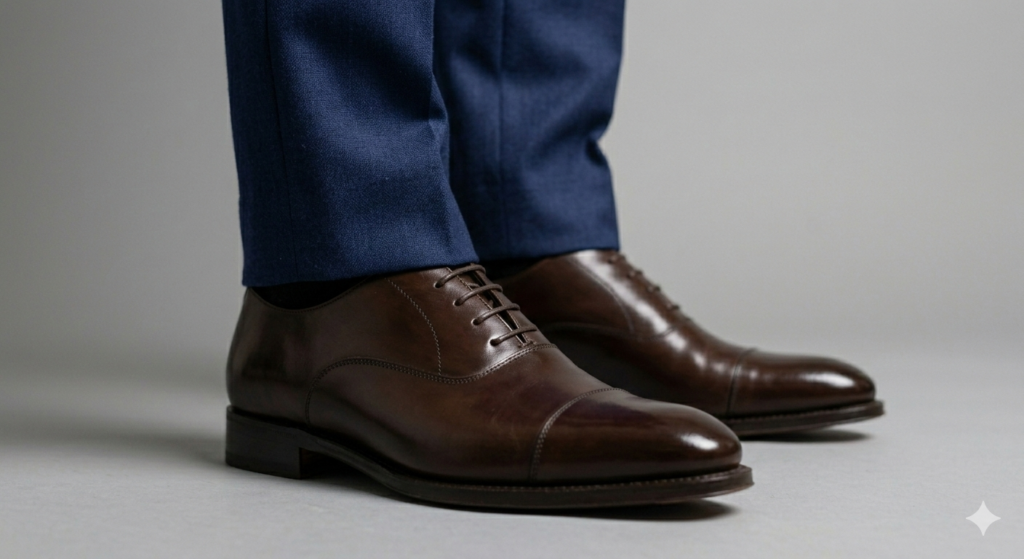
8. The Perfect Trouser Break
The “break” refers to how trousers meet your shoes.
Options:
- No break: modern and clean.
- Slight break: classic.
- Full break: traditional.
Practical Tip:
For a contemporary tailored look, aim for a slight or no break.
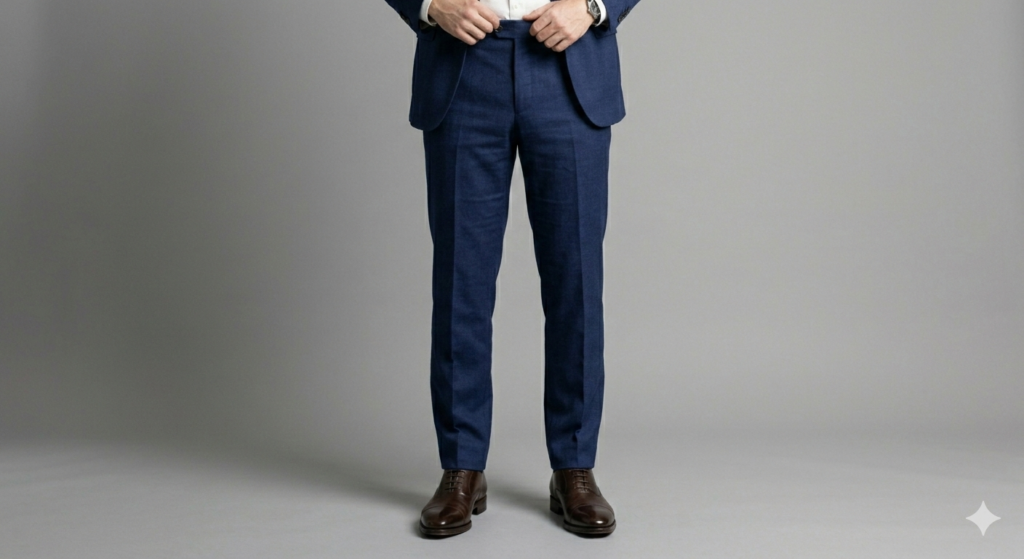
9. Proper Taper Through the Leg
Baggy trousers ruin even the best jacket.
Ideal Shape:
- Slight taper from thigh to ankle.
- Clean line when standing.
Practical Tip:
Ask your tailor to slim the leg opening slightly for a sharper silhouette.

10. Armholes Should Be High
Higher armholes improve mobility and shape.
Why It Matters:
- Cleaner chest line.
- Better range of motion.
- More tailored appearance.
Practical Tip:
Low armholes create excess fabric and a boxy look.
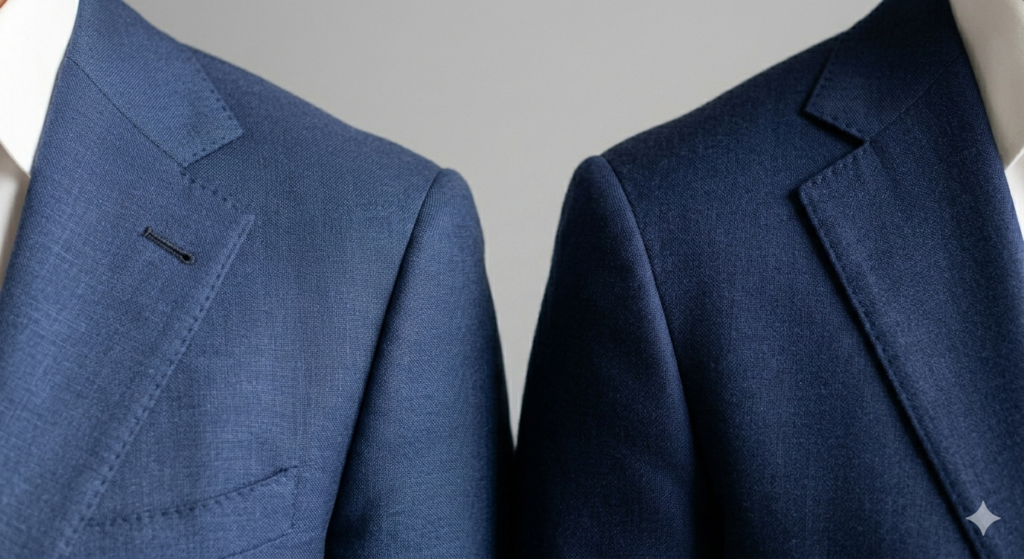
11. Lapels Should Match Your Body Frame
Lapels affect balance and proportion.
General Rule:
- Slim build: narrower lapels.
- Broader build: standard or slightly wider lapels.
Practical Tip:
Avoid ultra-skinny lapels for formal business suits — they date quickly.
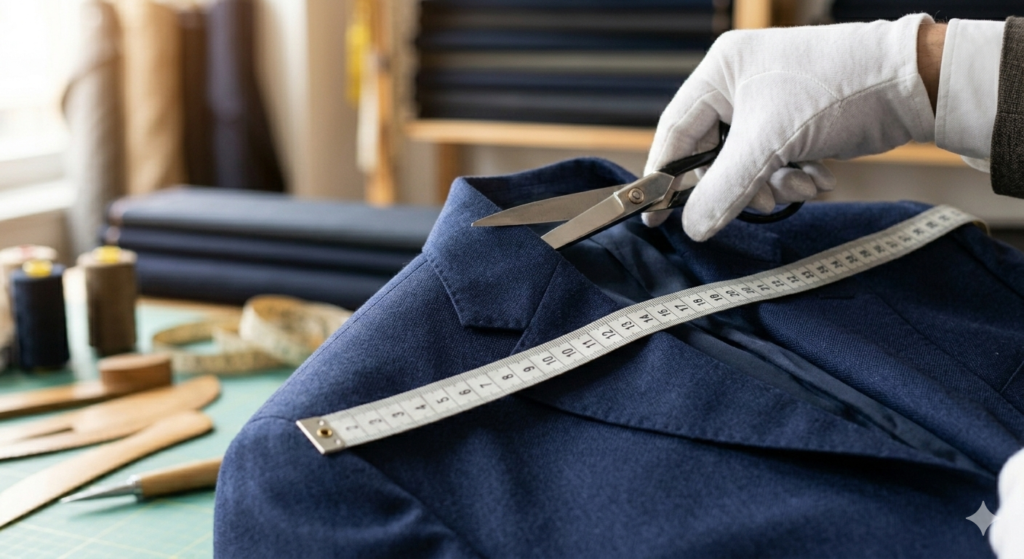
12. Always Tailor Off-the-Rack Suits
Even expensive suits need tailoring.
Essential Alterations:
- Sleeve length
- Trouser length
- Waist suppression
Practical Tip:
Budget for tailoring when purchasing a suit. It transforms average into exceptional.
Conclusion
Mastering these 12 suit fit rules for men ensures you always look sharp, confident, and well put together.
A perfectly fitted suit enhances your build, improves posture, and elevates your presence. Whether it’s your first suit or your tenth, the fit is what truly makes the difference.
Remember: Fit first. Brand second.
FAQs
1. How should a suit jacket fit?
A suit jacket should fit snugly in the shoulders, taper at the waist, and allow comfortable movement without pulling.
2. How long should suit trousers be?
Suit trousers should have a slight or no break for a modern look, just lightly touching the shoes.
3. Can a tailor fix a suit that’s too big?
Yes, most suits can be tailored smaller, especially in the waist and sleeves. However, shoulder alterations are limited.
4. Should a suit feel tight?
No. It should feel comfortably fitted, not restrictive or strained when buttoned.
5. How much does suit tailoring cost?
Basic tailoring usually ranges from moderate to affordable depending on alterations needed.