Introduction
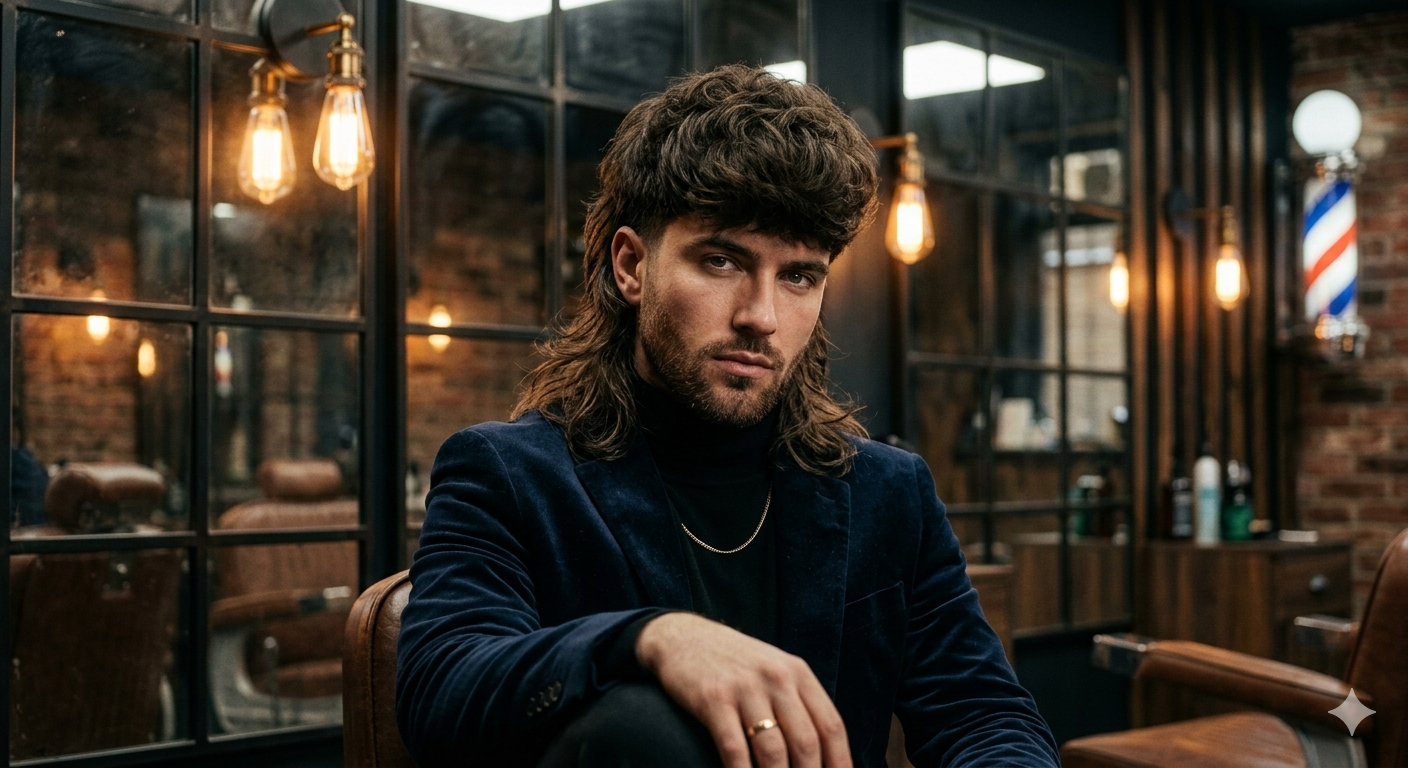
The wolf cut has arrived — and it is not leaving anytime soon. Equal parts raw and refined, the wolf cut for men borrows the heavy layering of the 1970s shag and the textured architecture of a modern mullet, fusing them into something that feels entirely new, deeply current, and impossibly cool.
What makes the wolf cut so compelling is its inherent contradiction. It is structured yet wild, deliberate yet undone. The heavy crown layers create volume and drama, while the longer, flowing ends give the style a distinctly carefree energy that no other cut quite replicates.
Whether your hair is straight, wavy, or curly — whether you prefer a clean, polished finish or an effortlessly tousled look — there is a wolf cut variation perfectly suited to your texture and personality. Here are 12 of the most inspiring wolf cut ideas for men, each with the styling insight to help you wear it with total confidence.
1. The Classic Wolf Cut
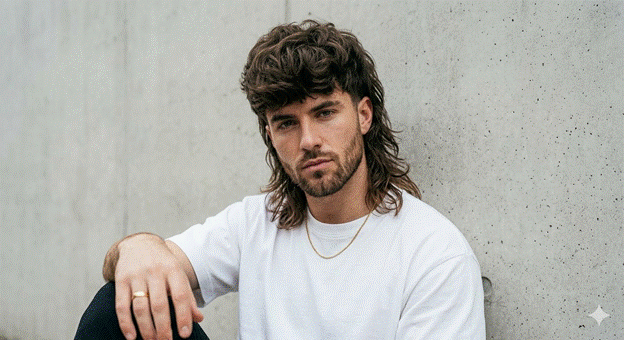
The classic wolf cut is the archetype — the style from which every variation descends. It features heavy layers at the crown that create a voluminous, almost shaggy silhouette, paired with longer lengths at the back that gradually taper into soft, wispy ends. The result is a cut that radiates a carefree, rock-influenced confidence without requiring exceptional effort to maintain.
The classic version works across a wide range of hair types and face shapes, making it the ideal starting point for men new to the wolf cut world. It sits at the perfect intersection of expressive and wearable.
Styling Tip: Apply a sea salt spray to damp hair and scrunch upward to activate natural texture before air drying. For a more polished version, use a round brush and blow dryer to direct the crown layers upward and outward. A small amount of matte paste worked through the ends adds definition without stiffness.
2. The Textured Wolf Cut with Curtain Bangs
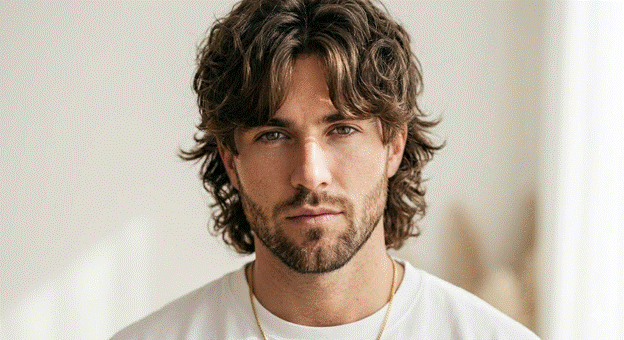
Curtain bangs transform the wolf cut from a purely textural statement into a fully composed, face-framing style. Parted gently at the center and swept to each side, the bangs soften the architecture of the cut and draw attention directly to the eyes — creating a look that manages to feel both edgy and effortlessly attractive.
This variation is particularly striking on men with oval or oblong face shapes, where the bangs add horizontal visual weight that creates better facial balance.
Styling Tip: Blow dry the curtain bangs using a small round brush, directing each side away from the center part. The bangs should sit just above or at the brow line — any longer and they become too heavy; any shorter and they lose their characteristic softness. A light-hold wax defines the parting without creating obvious stiffness.
3. The Wolf Cut with a Fade
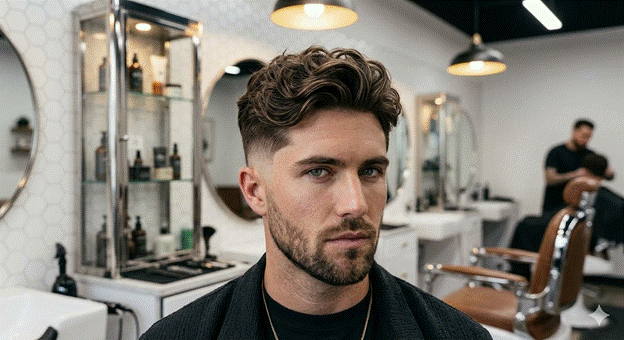
Merging the wild, layered spirit of the wolf cut with the clean precision of a modern fade creates one of the most wearable and versatile men’s haircuts available today. The fade — whether low, mid, or high — grounds the textured upper section and brings a contemporary barbershop quality that makes the overall style feel intentional and sharp.
This hybrid approach is ideal for men who want the expressive energy of the wolf cut while maintaining the clean-edged polish expected in professional or semi-formal environments.
Styling Tip: Ask your barber for a mid-fade that transitions smoothly into the heavier layering of the wolf cut above. A skin fade creates maximum contrast; a low fade offers a subtler transition. Use a pomade on the upper section to push the layers upward and forward for structure, or leave them undone for a more relaxed finish.
4. The Wavy Wolf Cut
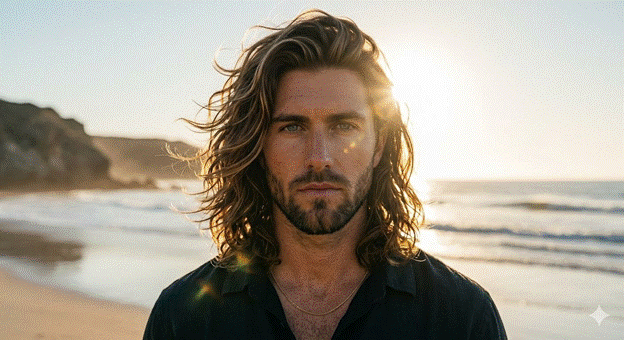
For men with naturally wavy hair, the wolf cut is nothing short of transformative. The heavy layering works in perfect synchrony with natural wave patterns, creating a multi-dimensional, almost effortlessly editorial result that straight-haired men spend hours trying to replicate artificially.
The waves give the layers movement and separation, preventing the cut from looking flat or overly voluminous, while the longer back section showcases the natural wave pattern at its most expressive.
Styling Tip: Use a curl-enhancing cream or a wave-defining gel on damp hair. Scrunch from roots to ends and allow to air dry or use a diffuser on low heat. Avoid brushing or combing after the product is applied — finger-combing only, to preserve the natural wave definition and prevent unwanted frizz.

5. The Curly Wolf Cut
The curly wolf cut is one of the most visually spectacular variations of this style. Natural curls, amplified by the heavy layering and the volume-focused architecture of the wolf cut, create a result that feels simultaneously wild, artistic, and deeply personal. No two curly wolf cuts ever look exactly alike — and that is precisely the point.
The key to a successful curly wolf cut is working with the natural curl pattern rather than against it, shaping the layers to enhance the curl structure rather than simply removing weight without consideration.
Styling Tip: Request that your stylist use the deva cut technique or a dry-cutting approach that honors your specific curl pattern. Apply a generous amount of curl cream or custard to soaking wet hair, use the praying hands method to smooth product through, and either air dry or diffuse. Avoid touching the curls until completely dry to prevent frizz.
6. The Shaggy Wolf Cut
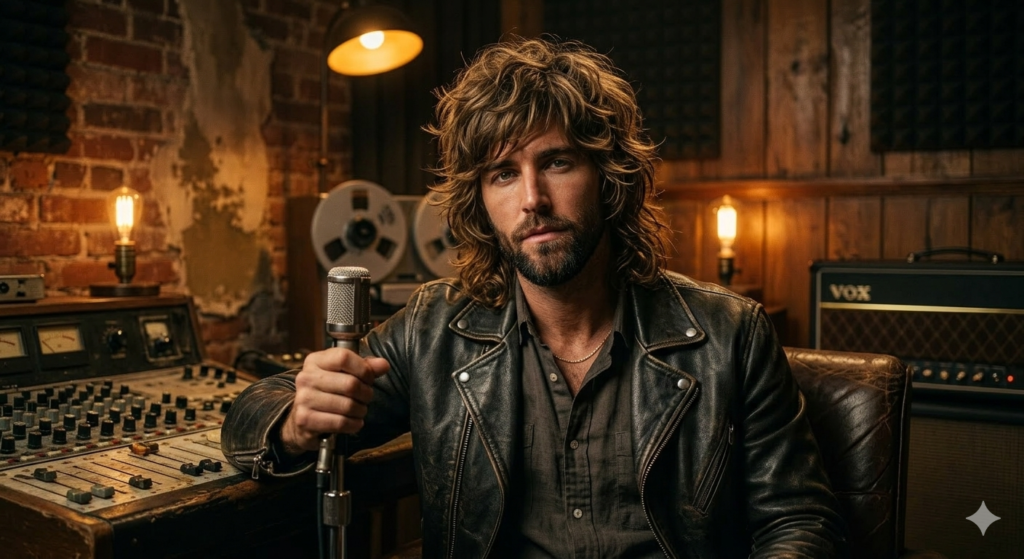
The shaggy wolf cut leans fully into the 1970s rock aesthetic that quietly underlies every wolf cut at its core. This variation features even heavier layering throughout, softer, more undefined ends, and a general maximalist approach to texture that makes every strand feel intentionally placed and beautifully chaotic.
It suits men who are drawn to a more bohemian, artistic aesthetic — those who would rather look effortlessly undone than meticulously groomed, and wear that preference with complete confidence.
Styling Tip: The shaggy wolf cut thrives on intentional neglect. Wash with a moisturizing shampoo, apply a light leave-in conditioner, and allow to air dry completely without touching. Once dry, work a small amount of dry texture spray through the layers to add definition and separation. The goal is beautiful dishevelment, not actual disorder.
7. The Short Wolf Cut
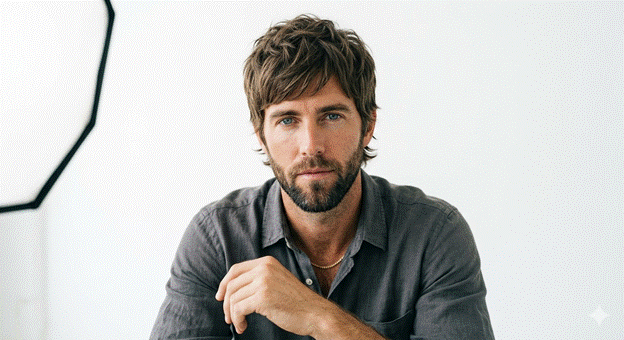
The short wolf cut demonstrates that this style does not require significant length to make an impact. With the overall cut sitting above the collarbone — closer to a textured crop length — the wolf cut’s defining characteristics of heavy layering and volume at the crown are fully preserved and amplified by the reduced overall length.
This variation is particularly appealing for men who want the personality of the wolf cut with a more practical, low-maintenance daily reality.
Styling Tip: Use a volumizing mousse on damp hair before blow drying the crown layers upward with a vent brush. The shorter length means the style dries quickly and holds its shape with less product intervention. A light matte paste through the top section on dry hair is all that is needed for day-to-day styling.
8. The Long Wolf Cut
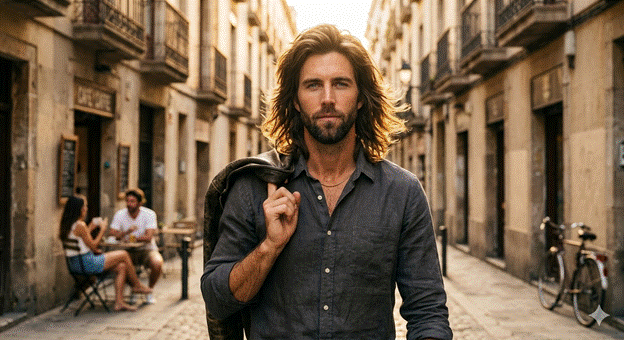
When the wolf cut extends to shoulder length or beyond, it transforms into something truly cinematic — a flowing, layered, textured style that brings an almost mythological quality to men’s hair. The long wolf cut is the province of the genuinely fashion-forward man: someone who wears their hair with the same intentional consideration they apply to every other element of their aesthetic.
The length allows the layers to cascade and move with remarkable freedom, while the volume at the crown creates a dramatic, crown-like silhouette that is impossible to ignore.
Styling Tip: Long wolf cuts require consistent conditioning to keep the ends healthy and prevent the layers from appearing split or frayed. Use a heat protectant before any blow drying, and finish with a lightweight hair oil worked through the mid-lengths and ends for a polished sheen. Braiding the hair loosely overnight creates beautiful natural texture and wave by morning.
9. The Wolf Cut with Highlights
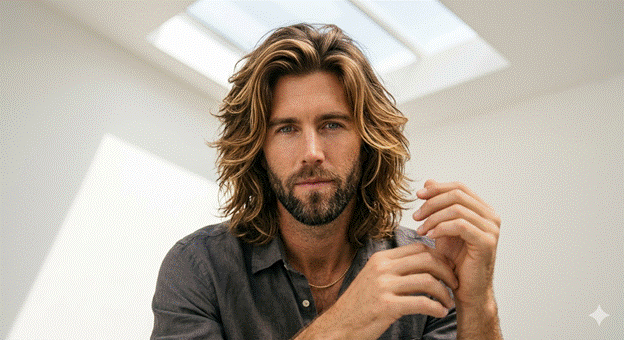
Color transforms the wolf cut from a purely textural statement into a multi-dimensional visual experience. Strategic highlights — whether a soft, sun-kissed balayage or bolder, painted streaks — reveal the movement and depth of the layers in ways that a single-process color simply cannot achieve.
For men with the wolf cut, highlights placed through the upper layers and crown section create an effect that appears entirely natural under sunlight, as though the hair has been naturally bleached by time spent outdoors.
Styling Tip: Request a freehand balayage technique rather than traditional foil highlights for the most natural result. Warm tones — honey, caramel, or golden blonde — work beautifully on medium to dark base colors and light up the layers magnificently. Avoid highlight placement too close to the roots, which can appear artificial and strip the style of its effortless quality.
10. The Wolf Cut with Undercut
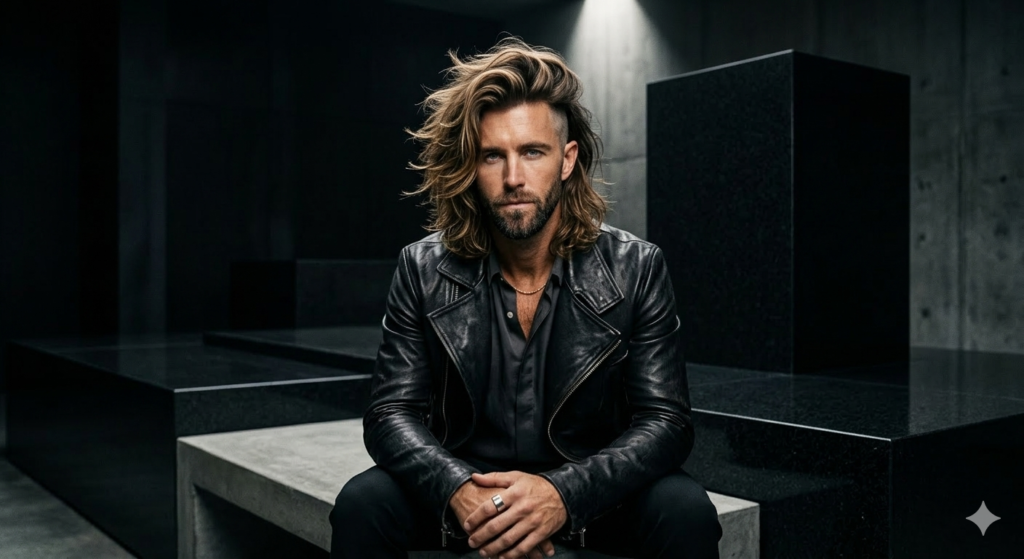
Pairing the wolf cut’s voluminous, layered top section with a shaved or closely clipped undercut creates one of the most architecturally dramatic men’s hairstyles in contemporary grooming. The contrast between the close-cropped underside and the flowing, textured upper section creates a silhouette of extraordinary visual tension — simultaneously controlled and free.
This combination appeals strongly to men who want their haircut to function as a genuine piece of personal design — something that feels as considered and deliberate as a well-chosen outfit.
Styling Tip: The success of this combination depends on the transition point between the undercut and the wolf cut layers above. A gradual blend creates a more wearable, everyday result; a hard disconnect creates maximum drama and edge. Discuss both options with your barber and bring reference images — the precise transition line is everything.
11. The Wolf Cut for Thick Hair
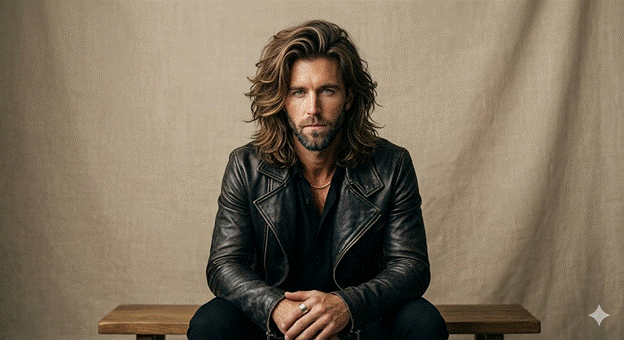
Thick-haired men have historically been presented with limited options that successfully manage bulk without sacrificing personality — the wolf cut changes this entirely. The heavy internal layering technique at the heart of the wolf cut is precisely what thick hair has always needed: a systematic removal of weight that creates movement, separation, and shape without sacrificing the natural volume and density that is this hair type’s greatest asset.
For thick hair, the wolf cut delivers a result that appears effortless and natural, as though the hair simply falls this way on its own.
Styling Tip: Communicate clearly with your stylist about the need for internal weight removal — point cutting and slicing techniques are preferable to blunt cutting for thick hair. Avoid heavy, oil-based products that weigh the layers down. A volumizing mousse and light-hold spray are the ideal product combination for keeping the layers lifted and separated throughout the day.
12. The Wolf Cut for Fine Hair
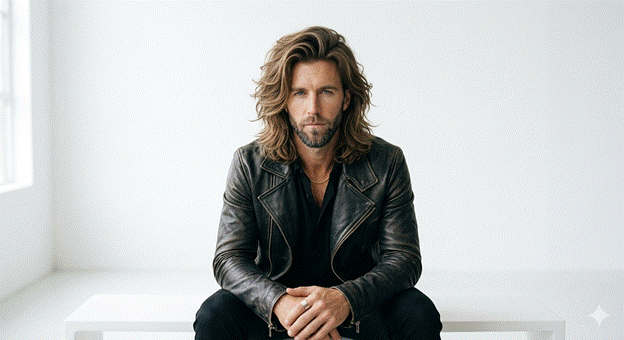
Fine-haired men are often told their options are limited — that their hair cannot support the volume and drama of styles like the wolf cut. This is simply untrue. When executed correctly, the wolf cut is one of the finest tools available for creating the illusion of density and fullness in fine hair, using layering to build visual volume where actual volume may be limited.
The key lies in where the layers are placed and how they are finished — strategic layering in the crown creates height and the impression of fullness, while leaving slightly more length and weight through the back and sides prevents the fine hair from appearing too thin or transparent.
Styling Tip: A volumizing shampoo and conditioner routine is the essential foundation for a fine-haired wolf cut. On styling, apply a volumizing root spray directly to the crown area before blow drying upward and forward. Avoid heavy products entirely — they collapse fine hair immediately. Dry shampoo applied at the roots before bed refreshes volume by morning.
Conclusion
The wolf cut for men is more than a moment in fashion — it is a genuine evolution in how men relate to their hair. It invites texture, volume, personality, and a certain beautiful unpredictability that the clean, structured cuts of the past decade largely discouraged.
What these 12 variations demonstrate, collectively, is the wolf cut’s extraordinary adaptability. It respects natural hair texture, works across lengths, accommodates color beautifully, and suits an enormous range of personal aesthetics — from the understated and minimal to the bold and directional.
The wolf cut is, at its core, an invitation to wear your hair with intention and confidence. Take these ideas to your next salon appointment, find the variation that resonates most deeply with your personal style, and let the cut do what it does best — make an entrance.
FAQs
FAQ 1: What is a wolf cut for men?
A wolf cut for men is a layered, textured hairstyle that blends the heavy layering of a 1970s shag with the length contrast of a modern mullet. It is defined by voluminous, choppy layers at the crown and longer, wispy layers through the back and sides, creating a style that feels simultaneously structured and wild. The wolf cut works across multiple hair types and lengths.
FAQ 2: Is the wolf cut suitable for all hair types?
Yes — the wolf cut is one of the most versatile men’s haircuts available. It works particularly well on wavy and curly hair, where natural texture amplifies the layered effect beautifully. Straight hair benefits from additional texturizing and styling products to create the characteristic movement. Fine hair should focus on strategic crown layering, while thick hair benefits most from internal weight removal techniques.
FAQ 3: How do I style a wolf cut for men at home?
The most effective home styling approach for a wolf cut involves applying a sea salt spray or texturizing product to damp hair, scrunching upward to activate the layers, and either air drying or using a diffuser. For a more polished result, a matte pomade or light-hold paste worked through the crown layers adds definition and control. The wolf cut is intentionally forgiving — it looks good with minimal intervention.
FAQ 4: How often should I get a wolf cut trimmed?
To maintain the shape and integrity of a wolf cut, a trim every six to eight weeks is recommended. The layered structure can lose its definition as the hair grows, with the crown layers beginning to lose their characteristic volume and the ends becoming heavy and shapeless. Regular maintenance appointments preserve the cut’s architectural quality and prevent it from appearing overgrown rather than intentionally shaggy.
FAQ 5: What face shapes suit the wolf cut for men?
The wolf cut suits most face shapes, but it is particularly flattering on oval, square, and rectangular faces. Oval faces can wear virtually any variation. Square faces benefit from the softness of the wispy ends and curtain bangs, which reduce the angularity of the jaw. Rectangular faces benefit from the width and volume that the crown layers create. Round faces should avoid excessively voluminous variations at the sides and instead focus on height through the crown to elongate the face shape.