Introduction
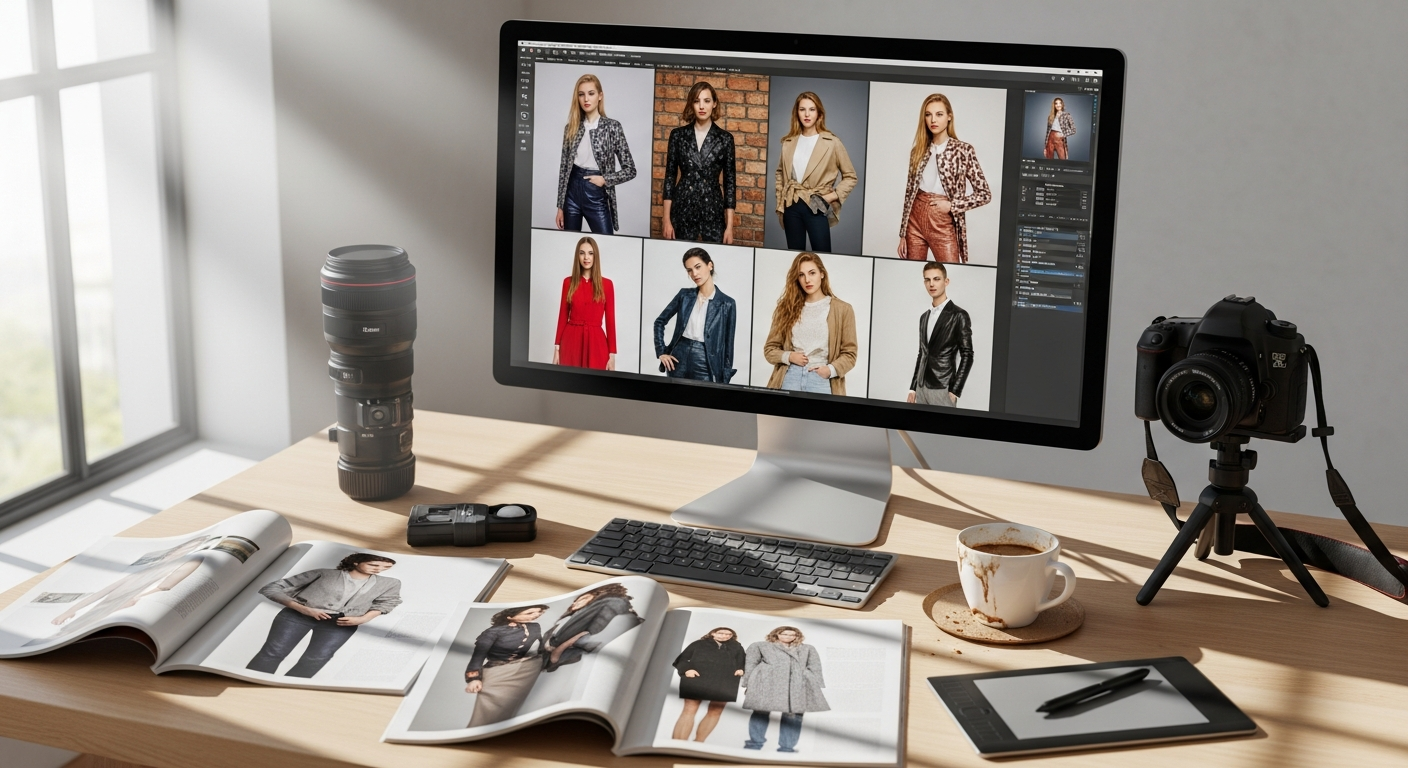
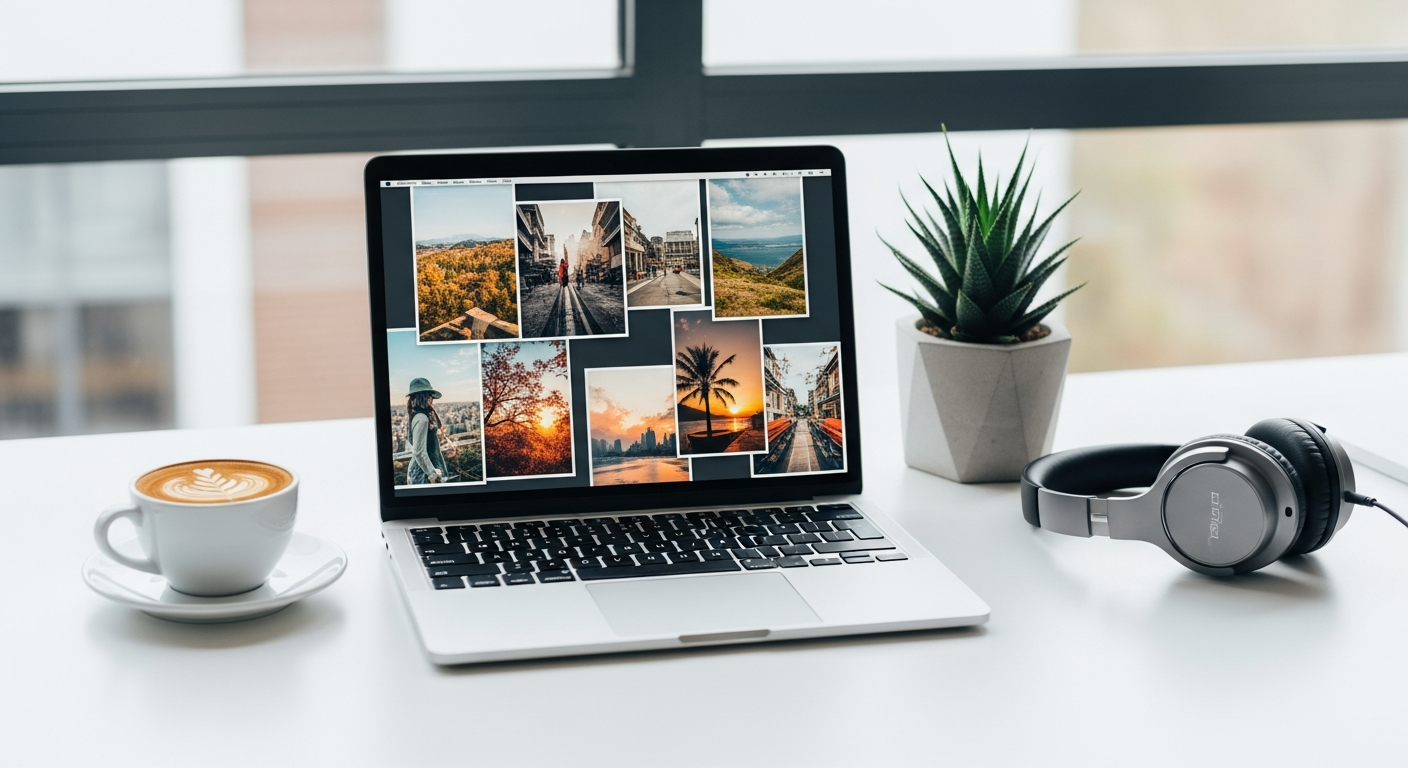
In today’s visual-driven fashion world, photo editing is no longer optional—it is an essential part of storytelling. The right editing style can transform a simple image into a striking, editorial-worthy composition.
Much like interior design, great photo editing is about balance—light, texture, color, and mood working in harmony. From soft minimal tones to bold cinematic effects, these viral styles offer a refined approach to elevating your visuals with intention and creativity.
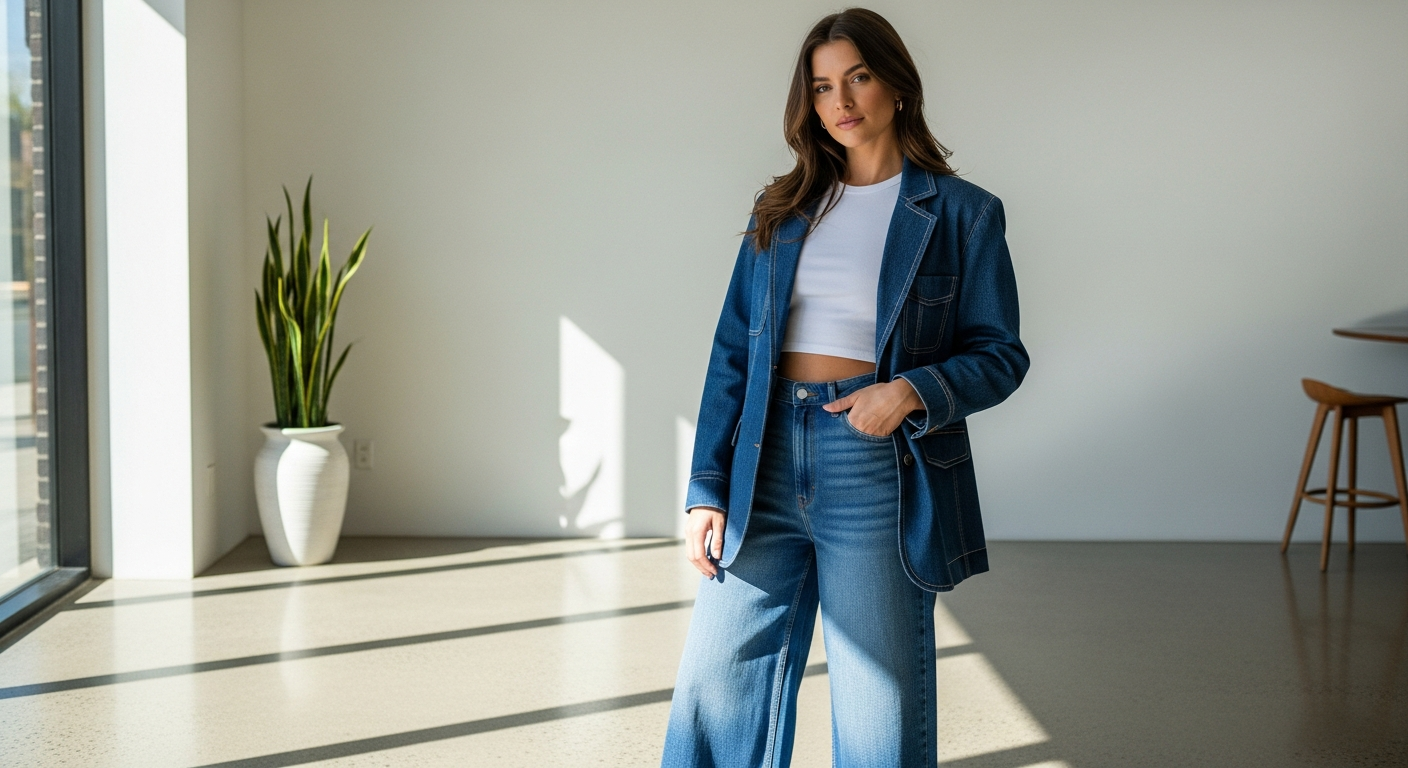
1. Soft Minimal Aesthetic
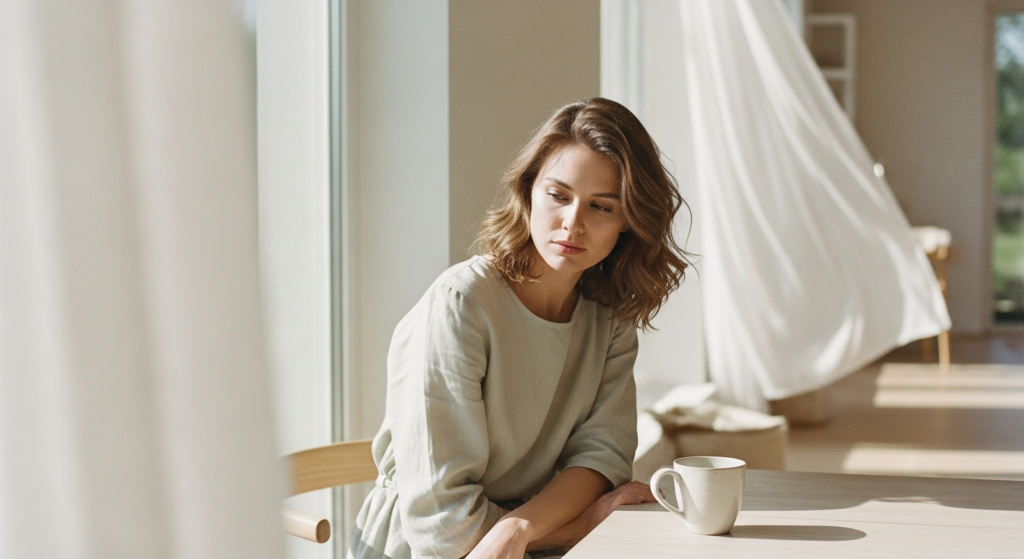
This style focuses on clean edits, muted tones, and gentle contrasts.
It creates an airy, refined look that feels effortlessly modern.
Styling Tip:
Reduce saturation slightly and enhance natural light to maintain a soft, cohesive palette.
2. Bright & Airy Look
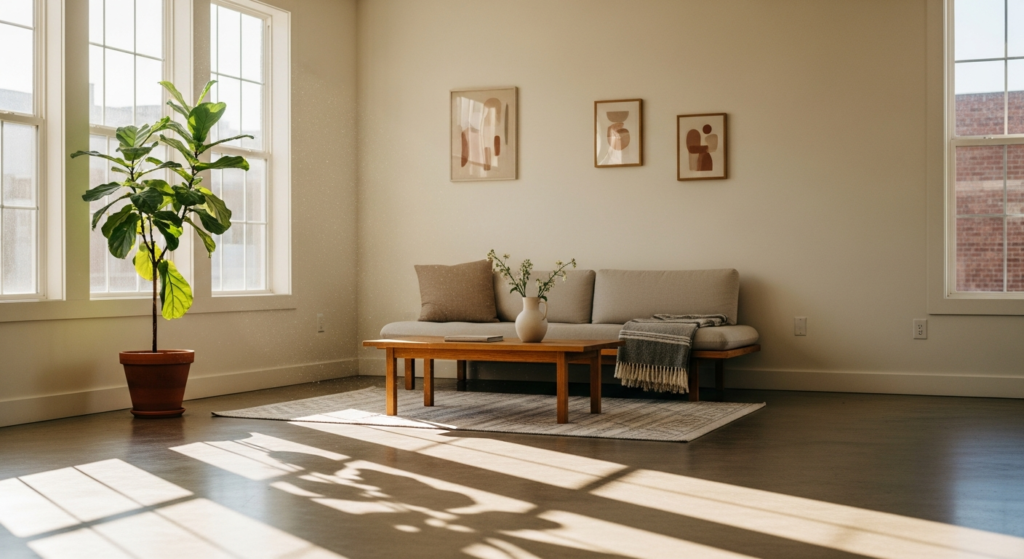
Bright and airy edits emphasize natural light and openness.
They create a fresh, uplifting atmosphere.
Styling Tip:
Increase exposure and soften shadows while keeping whites crisp for a polished finish.
3. Moody Cinematic Tones
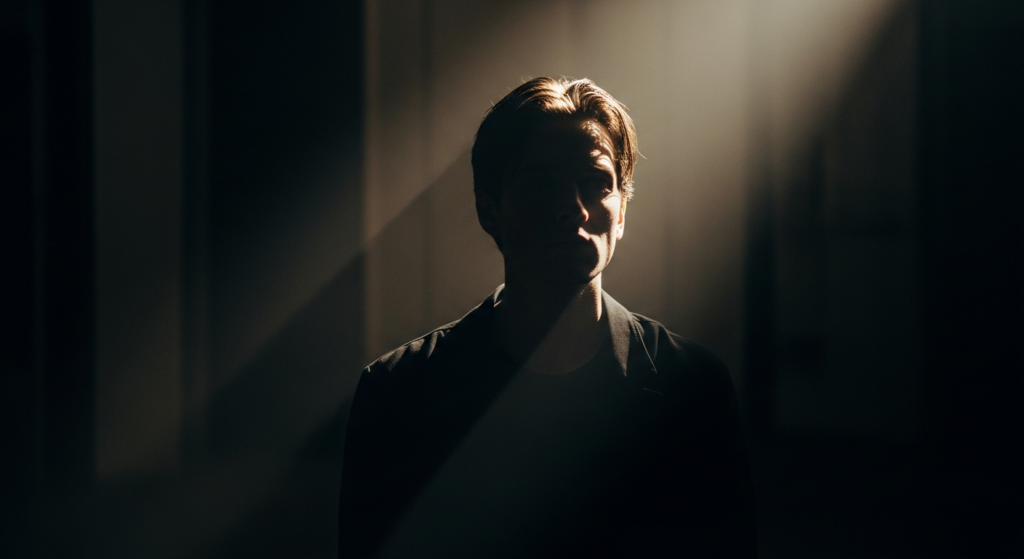
Cinematic edits introduce deeper shadows and rich color grading.
They add drama and emotional depth to images.
Styling Tip:
Use cooler tones with subtle grain to achieve a film-inspired effect.
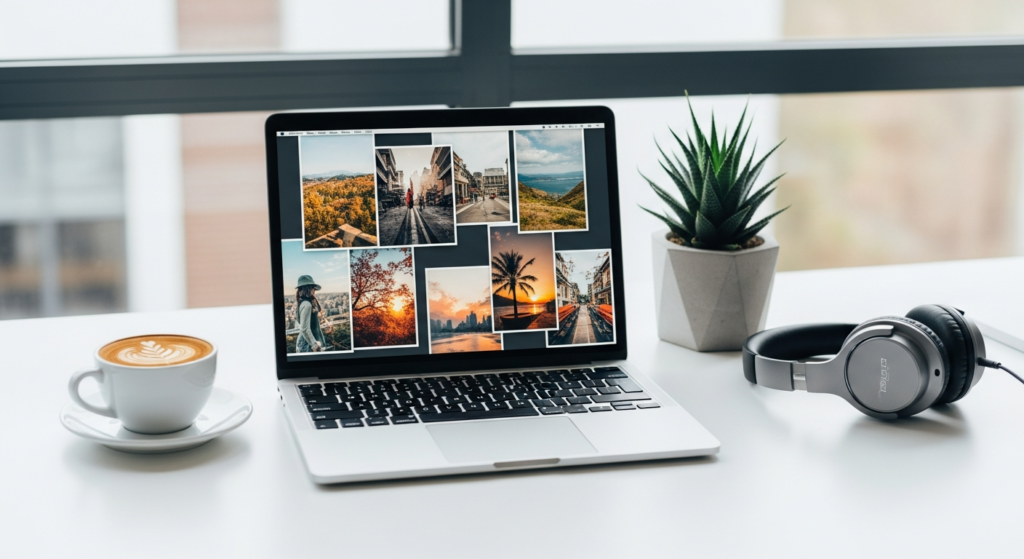
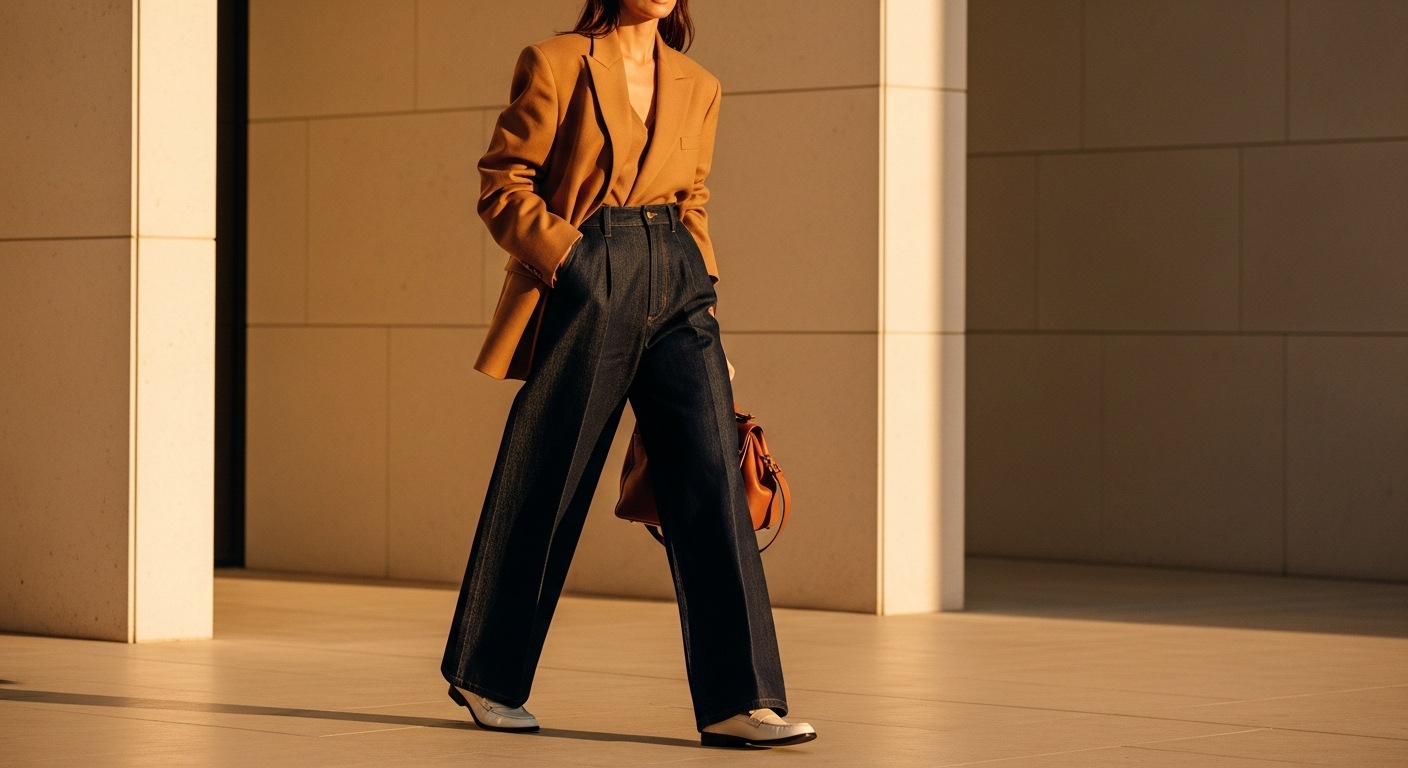
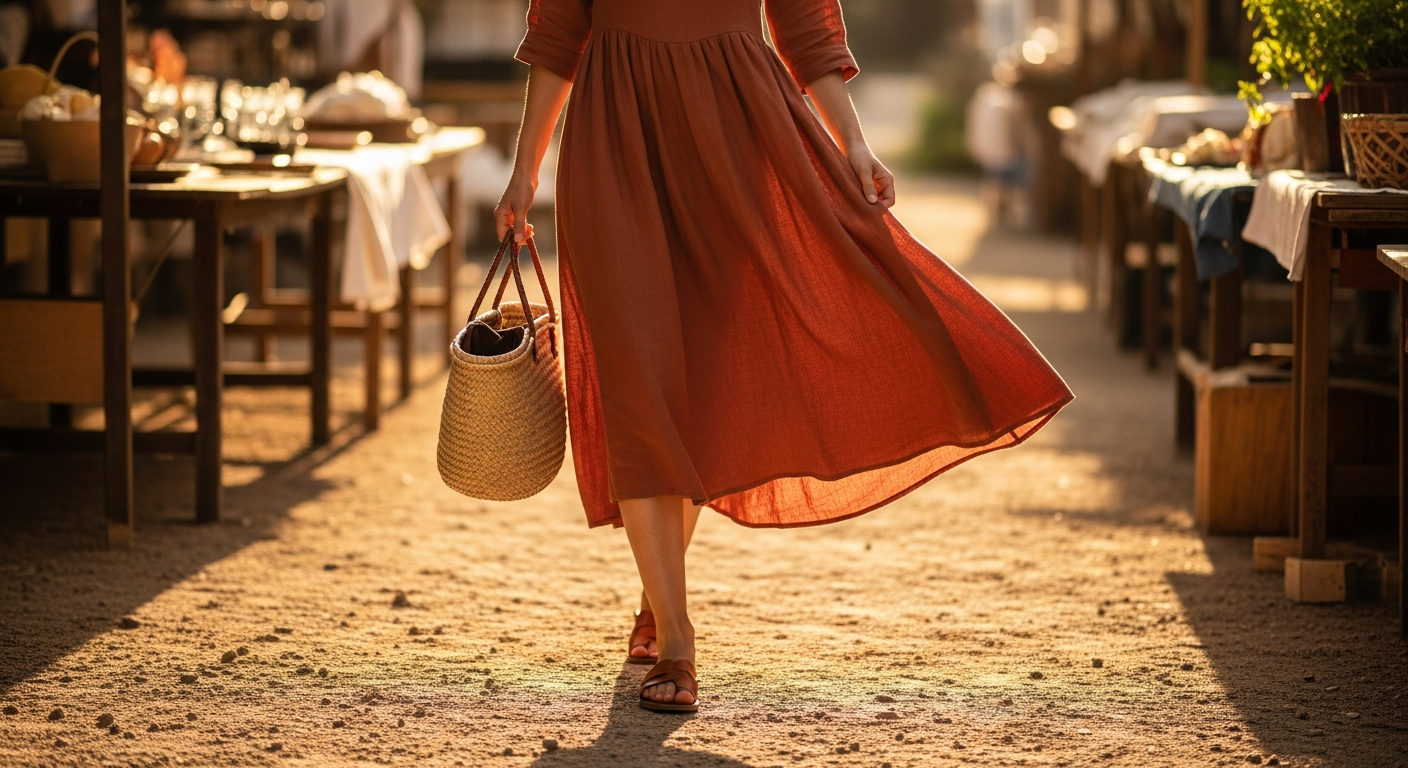
4. Warm Golden Glow
This style enhances warm hues, creating a sunlit, glowing effect.
It feels inviting and timeless.
Styling Tip:
Boost highlights and add warm color tones to mimic golden hour lighting.
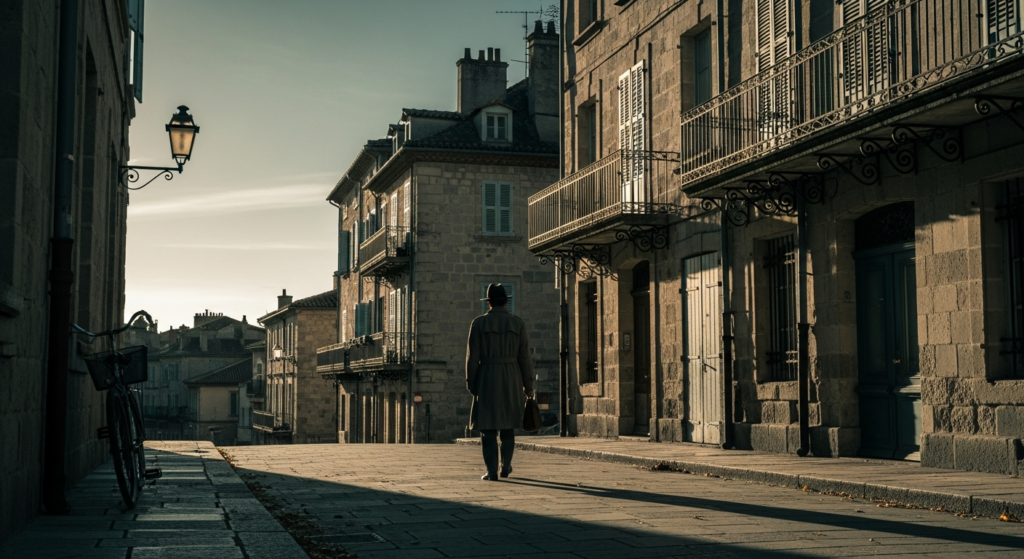
5. Vintage Film Effect
Vintage edits replicate the look of classic film photography.
They add nostalgia and texture.
Styling Tip:
Introduce slight grain and faded tones to achieve an authentic retro feel.
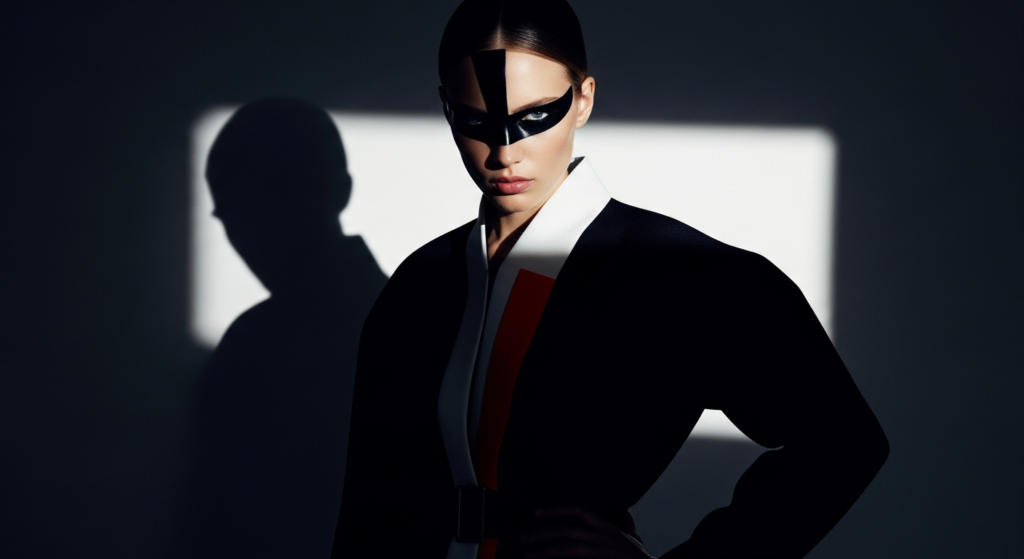
6. High Contrast Editorial
Editorial edits feature bold contrasts and sharp details.
They are often seen in fashion magazines.
Styling Tip:
Increase clarity and contrast while maintaining balanced skin tones.
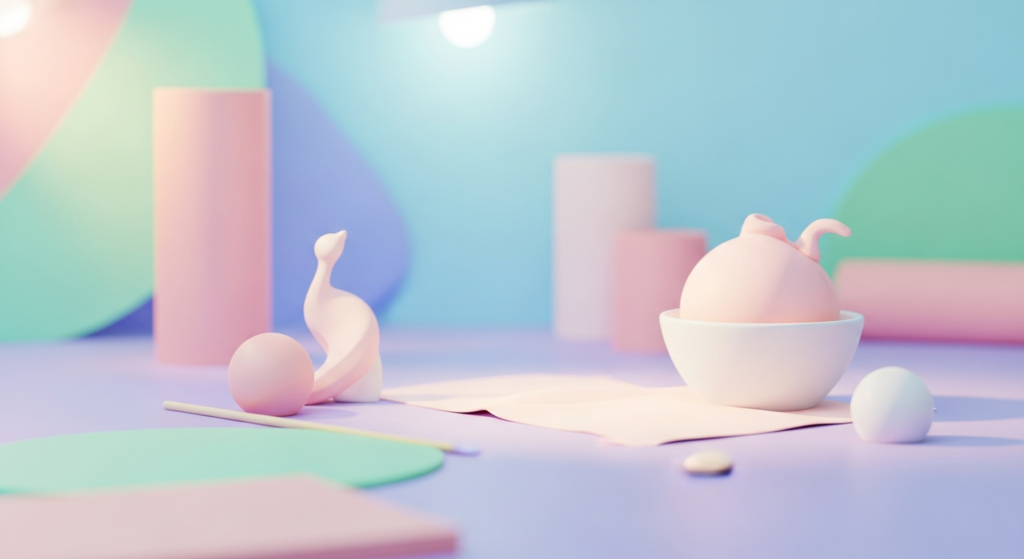
7. Pastel Color Grading
Soft pastel tones create a dreamy, artistic aesthetic.
They are ideal for lifestyle and fashion photography.
Styling Tip:
Lower contrast and introduce subtle pink or blue undertones for a gentle finish.
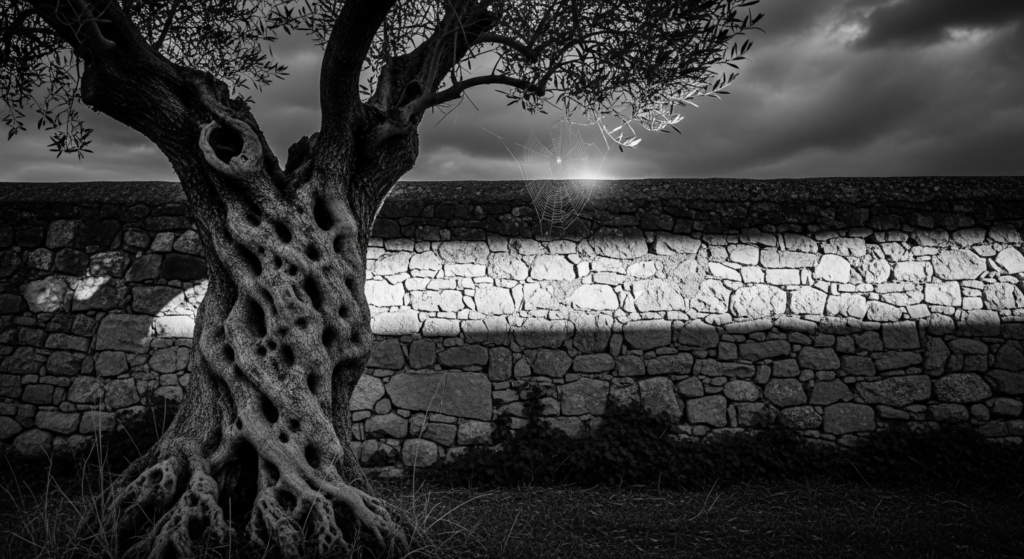
8. Black and White Classic
Monochrome editing focuses on light, shadow, and composition.
It creates timeless sophistication.
Styling Tip:
Adjust contrast carefully to highlight textures and depth.
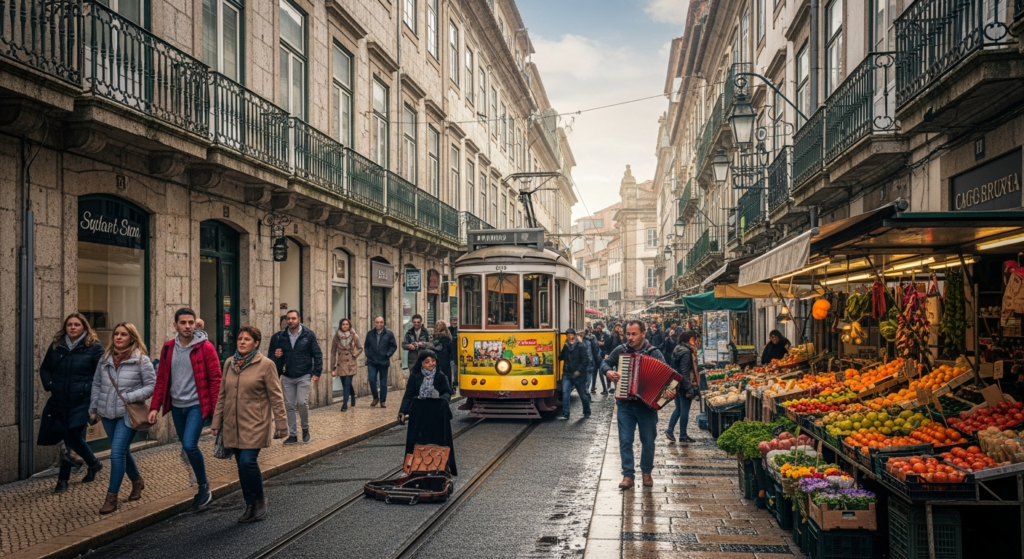
9. HDR-Inspired Detail Enhancement
HDR-style edits bring out intricate details and textures.
They create a crisp and dynamic image.
Styling Tip:
Enhance clarity and sharpness without over-processing to maintain realism.
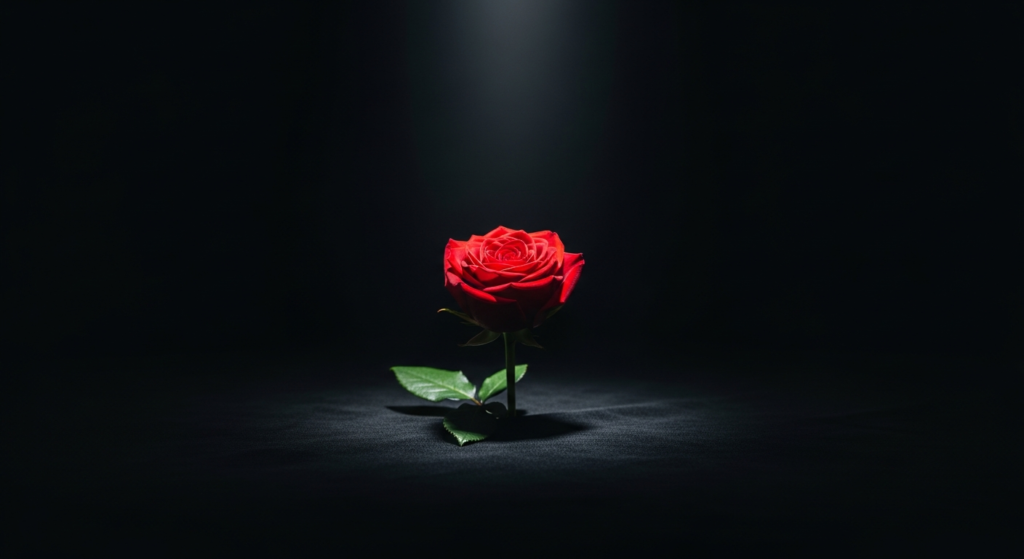
10. Dark Background Focus
This style isolates the subject against darker tones.
It creates a striking and elegant composition.
Styling Tip:
Lower background exposure while keeping the subject well-lit for contrast.
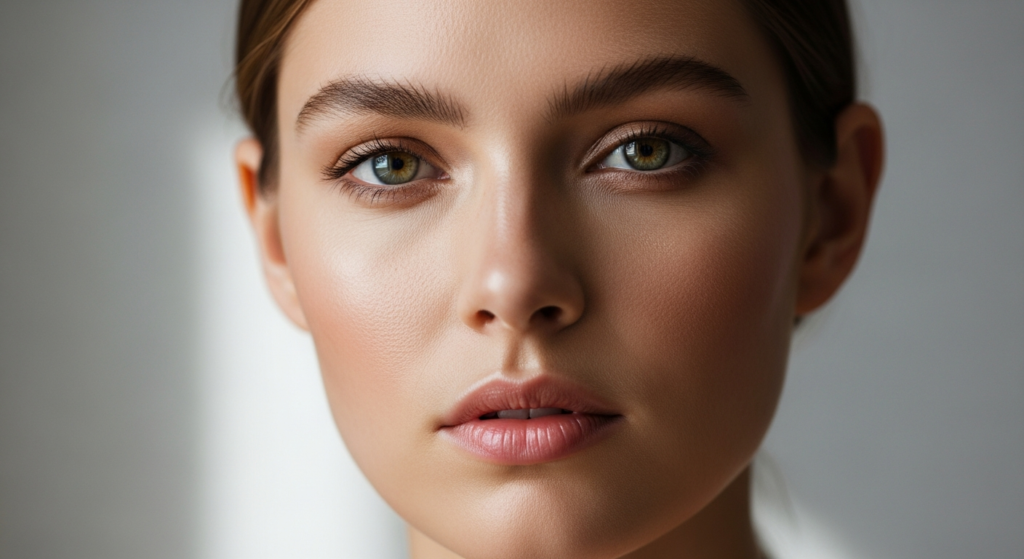
11. Natural Skin Tone Perfection
A refined editing approach that enhances skin while keeping it realistic.
It focuses on subtle corrections rather than heavy filters.
Styling Tip:
Use light retouching and avoid over-smoothing to preserve natural texture.
Conclusion
Learning photo editing styles is about more than mastering tools—it is about understanding visual balance and creative expression. Each style offers a unique way to enhance mood, texture, and storytelling, much like designing a beautifully curated space.
By experimenting with these viral editing techniques, you can develop a signature aesthetic that feels both modern and timeless. The key lies in subtlety, consistency, and a clear creative vision.
FAQs
1. What is the most popular photo editing style?
Bright and airy edits and soft minimal aesthetics are among the most popular for modern visuals.
2. Which apps are best for photo editing?
Apps like Lightroom, Snapseed, and VSCO are widely used for professional-quality edits.
3. How can I make my photos look more professional?
Focus on lighting, composition, and consistent editing styles for a polished look.
4. Is heavy editing recommended?
Subtle editing is preferred for a natural and timeless appearance.
5. How do I find my editing style?
Experiment with different tones, lighting adjustments, and presets to discover what suits your aesthetic.